

Making rosin at home has become an increasingly popular way for enthusiasts to create a high-quality solventless concentrate using a simple extraction method. Unlike processes that depend on chemical solvents, rosin production relies on controlled heat and pressure to separate valuable compounds from plant material. With the right equipment, careful preparation, and attention to detail, beginners can learn how to create consistent results.
The most important tool in this process is a rosin press, which provides the controlled pressure and temperature needed to extract oils effectively. A reliable rosin press allows users to adjust settings based on their material, helping improve consistency and overall quality. Instead of relying on unpredictable homemade methods, a dedicated rosin press offers greater control throughout the extraction process.
Understanding how heat, pressure, and preparation work together is essential before beginning. The quality of the final product depends on choosing suitable materials, preparing equipment correctly, and using the rosin press with patience. Small adjustments in temperature or pressing time can make a noticeable difference in the finished extract.
This guide explains the fundamentals of home rosin production and provides a clear overview of the tools, techniques, and considerations involved. Whether you are exploring solventless extraction for the first time or improving your current process, learning how to operate a rosin press properly is the foundation for achieving better results.
What Is Rosin?
Rosin is a solventless concentrate created by applying heat and pressure to plant material until natural oils are released. The extraction process does not require additional chemicals, making it a preferred method for people who want a straightforward approach to producing concentrates. The simplicity of rosin production is one of the main reasons this technique has gained attention among home extractors.

A rosin press works by placing prepared material between heated plates and applying controlled force. The combination of heat and pressure causes the oils to separate from the plant material and collect on parchment paper. Because the process depends entirely on mechanical extraction, the quality of the final product is influenced by the performance of the rosin press and the condition of the starting material.
Temperature control plays an important role in rosin production. Lower temperatures may help preserve aroma and flavor, while higher temperatures can increase extraction speed and output. Finding the ideal balance requires experimentation and an understanding of how different materials respond inside a rosin press.
The finished rosin can vary in texture, color, and consistency depending on factors such as freshness, moisture levels, pressure settings, and pressing duration. By learning how each adjustment affects results, users can get more consistent outcomes from their rosin press and improve their overall extraction technique over time.
Why Use a Rosin Press?
A rosin press is designed to make solventless extraction more efficient, predictable, and accessible. While some people attempt to create rosin using improvised equipment, dedicated machines provide better temperature accuracy, stronger pressure control, and more consistent results. These advantages make a rosin press a valuable investment for anyone interested in producing quality extracts at home.
One of the biggest benefits of using a rosin press is precision. The machine allows users to control important variables that influence the extraction process. Consistent heat distribution ensures that material is processed evenly, while adjustable pressure settings allow for better control over extraction speed and yield.

Safety and convenience are also important advantages. A purpose-built rosin press eliminates many of the problems associated with makeshift methods, including uneven heating and inconsistent pressure. With proper use, the equipment creates a cleaner and more organized workspace while simplifying the overall process.
Another reason many people choose a rosin press is repeatability. Once ideal settings are discovered, the same conditions can be recreated for future sessions. This makes it easier to compare results, improve techniques, and develop a more reliable extraction routine.
For beginners and experienced users alike, a rosin press provides the control needed to explore solventless extraction with greater confidence. Its combination of efficiency, accuracy, and ease of operation makes it one of the most practical tools for home rosin production.
Equipment You’ll Need
Before starting the extraction process, preparing the right equipment is essential for achieving reliable results. The central piece of equipment is a rosin press, which provides the heat and pressure required to separate oils from plant material. Choosing a machine with adjustable settings can help users fine-tune their process and achieve better consistency.
Along with a rosin press, parchment paper is necessary for collecting the extracted material. It provides a clean surface that allows the rosin to flow away from the heated plates without sticking. High-quality parchment paper is preferred because it can withstand the temperatures generated during pressing.
A collection tool is also useful for gathering the finished product after extraction. Since rosin can be sticky and delicate, using an appropriate tool helps minimize waste and keeps the final concentrate clean. Storage containers should also be prepared before using a rosin press so the extracted material can be preserved immediately after collection.
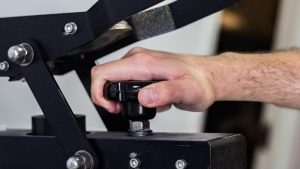
Other helpful items include heat-resistant gloves, cleaning materials, and a stable workspace. Keeping the area organized makes the process safer and more efficient. Regular maintenance of the rosin press is also important because residue buildup can affect performance and reduce the consistency of future sessions.
Having all necessary equipment ready before operating a rosin press creates a smoother workflow and helps prevent mistakes. Proper preparation allows users to focus on technique, temperature control, and achieving the best possible extraction results.
Choosing the Best Material
The quality of your starting material has the greatest influence on the final product. Fresh, well-preserved material generally produces better aroma, flavor, and yield than old or overly dry material.
Moisture levels also matter. Material that is too dry may produce lower yields, while overly moist material can create excess moisture during pressing. Regardless of the material you select, pairing it with a properly adjusted rosin press helps maximize extraction efficiency.
Preparing the Rosin Press
Before turning on your rosin press, place parchment paper between the heated plates. This allows the extracted oils to flow onto a clean surface where they can be collected easily.
Preheat the rosin press according to the type of material being processed. Lower temperatures often preserve more aroma and flavor, while higher temperatures may increase overall yield. Finding the right balance is part of refining your technique.
Step 1: Warm Up the Rosin Press
Switch on the rosin press and allow it to reach the desired temperature. Stable heat is important because inconsistent temperatures can affect both yield and quality.
Avoid rushing this stage. Giving the rosin press enough time to fully stabilize creates more repeatable results throughout the extraction process.
Step 2: Prepare the Material
Arrange the material evenly before placing it inside the parchment paper. Uniform distribution allows the rosin press to apply pressure consistently across the entire surface.
Keeping the material centered also helps prevent uneven extraction and reduces unnecessary mess around the edges of the plates.
Step 3: Apply Pressure Gradually
Insert the parchment paper into the rosin press and begin applying pressure slowly. Gradual compression allows the oils to flow naturally instead of forcing them out too quickly.
Maintain steady pressure for the desired pressing time. The exact duration varies depending on the material and the settings of your rosin press, but consistency is more important than speed.
Step 4: Collect the Rosin
Once pressing is complete, carefully remove the parchment paper from the rosin press. Allow it to cool briefly before collecting the extracted rosin with a suitable tool.
Work slowly to avoid contaminating the finished product. Clean collection techniques help maintain the purity and appearance of the concentrate.
Step 5: Store Properly
Transfer the finished rosin into an airtight container immediately after collection. Proper storage helps preserve aroma, flavor, and consistency over time.
Keep the container in a cool, dark location away from direct sunlight and excessive heat. Even after using a high-quality rosin press, improper storage can reduce overall quality.
Tips for Better Results
Using a premium rosin press is only one part of producing excellent rosin. Experimenting with different temperatures and pressing times can help you identify the ideal combination for your preferred material.
Clean the plates of your rosin press regularly to prevent residue buildup. Routine maintenance improves performance and extends the lifespan of the equipment.
Monitoring pressure carefully is equally important. Excessive force does not always increase yield and may reduce the overall quality of the final product.
Common Mistakes to Avoid
Learning how to produce consistent rosin requires patience, practice, and an understanding of how different variables affect the extraction process. Many beginners make avoidable mistakes that reduce quality or create inconsistent results. While a rosin press provides excellent control over temperature and pressure, the way it is used has a major impact on the final outcome.
One common mistake is applying too much heat. Some users assume that higher temperatures will always produce better results, but excessive heat can negatively affect the characteristics of the finished product. A rosin press allows precise temperature adjustments, making it easier to find a balance between extraction efficiency and maintaining quality.

Another frequent error is applying maximum pressure too quickly. A gradual increase in pressure allows oils to separate more naturally and helps prevent unnecessary strain on the material. Using a rosin press correctly means understanding that more force does not always equal better results.
Poor preparation is another issue that can affect performance. Material that is improperly stored, unevenly arranged, or unsuitable for extraction can limit what a rosin press is capable of achieving. Even the most advanced equipment depends on careful preparation and proper technique.
Failing to clean equipment regularly is also a mistake that can reduce performance. Residue buildup may interfere with heat distribution and affect future sessions. Maintaining a rosin press properly helps preserve its efficiency and extends its working life.
Avoiding these common errors allows users to improve consistency and get more value from their equipment. A rosin press is a powerful tool, but achieving excellent results requires attention to detail, careful adjustments, and a willingness to refine the process over time.
Cleaning Your Rosin Press
Regular maintenance is essential for keeping extraction equipment performing at its best. A clean rosin press provides more reliable results because it can maintain proper heat distribution and operate without interference from leftover residue. Cleaning should become a routine part of every extraction session.

After using a rosin press, allow the heated plates to cool to a safe temperature before beginning maintenance. Attempting to clean the equipment while surfaces are too hot can create unnecessary risks and may damage cleaning materials. Once cooled, gently remove any remaining residue from the plates.
Using appropriate cleaning tools is important for protecting the surfaces of the rosin press. Avoid harsh materials or abrasive products that could scratch the heating plates. A soft cloth and suitable cleaning solution are usually sufficient for removing buildup without causing damage.
Regular inspection also helps identify potential issues early. Check the plates, controls, and other components of the rosin press to ensure everything is functioning correctly. Addressing small problems before they become larger issues can improve reliability and prevent interruptions during future sessions.
Proper storage is another important part of equipment care. Keeping the rosin press in a clean, dry location helps protect it from dust, moisture, and unnecessary wear. Covering the machine when not in use can provide additional protection.
A well-maintained rosin press delivers better consistency and lasts longer. Cleaning is not simply about appearance; it directly influences performance, efficiency, and the quality of future extraction sessions.
Final Thoughts
Creating rosin at home can be a rewarding process when approached with the right knowledge, equipment, and technique. A quality rosin press gives users the ability to control important factors such as temperature, pressure, and timing, making the extraction process more predictable and efficient.
Success with a rosin press comes from understanding that every detail matters. Choosing suitable material, preparing equipment correctly, and adjusting settings carefully all contribute to better results. While the machine provides the necessary mechanical force, the operator’s experience and attention to detail ultimately determine the quality of the outcome.
As users become more familiar with their rosin press, they can refine their approach and develop techniques that produce more consistent results. Recording successful settings, maintaining equipment, and learning from each session are valuable ways to improve over time.
Investing in a reliable rosin press also creates opportunities to explore different extraction methods and discover what works best for specific materials. The process rewards patience and experimentation, allowing beginners to develop confidence while experienced users continue improving their skills.
Ultimately, producing high-quality rosin is about combining dependable equipment with careful technique. A rosin press provides the foundation, but preparation, maintenance, and knowledge create the difference between average and exceptional results.
With proper care and responsible operation, a rosin press can become an essential tool for anyone interested in solventless extraction. By following the right steps and avoiding common mistakes, users can enjoy a more controlled and consistent home extraction experience.



Add comment