

In the realm of cannabis extraction, the rosin press stands as a beacon of innovation, offering a solventless method to extract potent cannabinoids and flavorful terpenes from raw plant material. A rosin press, with its combination of heat and pressure, epitomizes the essence of purity and simplicity in extraction techniques.
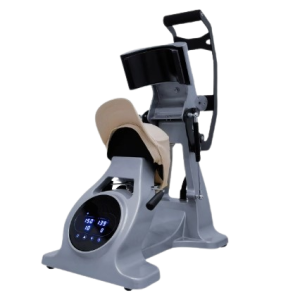
When discussing rosin extraction, the term ‘rosin press’ inevitably takes center stage. A rosin press is the cornerstone of this process, serving as the instrument through which heat and pressure are applied to cannabis material, resulting in the extraction of valuable compounds without the need for solvents.
The beauty of the rosin press lies in its versatility and accessibility. From hobbyists to commercial operators, anyone can harness the power of a rosin press to produce high-quality cannabis extracts in a controlled and efficient manner. Whether it’s a small, manual press for personal use or a large, hydraulic press for industrial-scale production, the principles remain the same: apply heat and pressure to transform raw material into premium rosin.
In essence, the rosin press democratizes the extraction process, empowering enthusiasts and professionals alike to create artisanal cannabis products with minimal equipment and resources. Its simplicity belies its effectiveness, as it efficiently extracts cannabinoids and terpenes without the need for complex machinery or harmful solvents.
As we delve deeper into the intricacies of rosin extraction, understanding the role of the rosin press becomes paramount. It serves as both a tool and a catalyst, enabling users to unlock the full potential of their cannabis material and produce extracts that are pure, potent, and bursting with flavor. So, whether you’re a newcomer to the world of extraction or a seasoned aficionado, the rosin press stands ready to elevate your cannabis experience to new heights.
Understanding the Basics:
Before delving into the intricacies of temperature control, it’s imperative to grasp the fundamental principles of rosin extraction. At its core, a rosin press is a device designed to apply controlled heat and pressure to cannabis material, facilitating the release of potent oils from the trichomes. This process, known as rosin pressing, offers a solventless method of extracting cannabinoids and terpenes from the plant material.

The key component of a rosin press is the heating element, which allows for precise temperature regulation during the pressing process. By carefully controlling the temperature, extractors can influence the chemical reactions that occur within the cannabis material, ultimately determining the quality and quantity of the final rosin yield.
Trichomes, the tiny resin glands that coat the surface of cannabis buds and leaves, contain the majority of the plant’s cannabinoids and terpenes. When subjected to heat and pressure in a rosin press, these trichomes rupture, releasing their precious contents into the extract. The temperature at which this process occurs is critical, as it dictates the preservation of delicate terpenes and the activation of specific cannabinoids.
Achieving the optimal balance of temperature is essential for maximizing the yield and quality of the rosin extract. Too low of a temperature may result in insufficient extraction, while excessive heat can degrade valuable terpenes and cannabinoids, diminishing the overall potency and flavor of the final product.
In summary, a fundamental understanding of the rosin pressing process, coupled with precise temperature control, lays the groundwork for successful extraction. By harnessing the power of the rosin press and mastering temperature regulation, extractors can unlock the full potential of their cannabis material, yielding premium-quality rosin extracts with each press.
Temperature Range:
Discovering the ideal temperature range is pivotal in the pursuit of top-tier rosin extraction. Akin to a conductor orchestrating a symphony, the temperature spectrum orchestrates the harmonious release of cannabinoids and terpenes from your cannabis material. With the ‘Rosin press’ as your instrument, let’s explore the nuances within the temperature spectrum to unlock the fullest expression of your chosen strain.

Low Temperature (180°F to 200°F / 82°C to 93°C):
In the realm of rosin press extraction, mastering the art of low temperature settings (180°F to 200°F / 82°C to 93°C) is akin to wielding a delicate brush to capture the subtlest nuances of flavor and aroma. With precision and finesse, this temperature range unlocks a treasure trove of terpenes and delicate cannabinoid profiles, offering connoisseurs a sensory journey unlike any other.
At the heart of low-temperature rosin pressing lies a meticulous preservation of the plant’s essence. Here, the rosin press functions not as a brute force extractor but as a gentle artisan, coaxing out the most delicate compounds while leaving behind any harshness or bitterness. Terpenes, those aromatic molecules responsible for the myriad scents and flavors of cannabis, are cherished at these temperatures, their intricate profiles weaving a tapestry of taste that delights the palate.
For those who prioritize flavor and aroma, low-temperature rosin pressing is a revelation. The resulting extract is a symphony of citrus, pine, floral, and earthy notes, each dance of vapor on the tongue a testament to the care and attention lavished upon the process. Moreover, the cannabinoids harvested at these lower temperatures, particularly THCA, offer a gentle yet uplifting experience, perfect for daytime indulgence or creative endeavors.
Medium Temperature (200°F to 210°F / 93°C to 99°C):
Within the spectrum of rosin press temperature settings, the medium range (200°F to 210°F / 93°C to 99°C) offers a delicate balance between preserving terpenes and maximizing yield. This temperature zone is where the magic of extraction unfolds, yielding a rosin that harmoniously blends flavor, potency, and texture.
At these moderate temperatures, the rosin press operates as a precision instrument, delicately coaxing cannabinoids and terpenes from the cannabis material without sacrificing quality. The gentle application of heat allows for the preservation of volatile terpenes, which contribute to the aromatic bouquet and nuanced flavor profile of the final extract.
When the rosin press is set within the medium temperature range, cannabinoids like THC and CBD are efficiently activated, offering a well-rounded therapeutic experience. This balanced activation of cannabinoids results in rosin with a spectrum of effects, from uplifting and euphoric to deeply relaxing, depending on the strain and composition of the starting material.
Moreover, pressing rosin at medium temperatures ensures an optimal yield without compromising quality. The viscosity of the extract at these temperatures strikes a perfect equilibrium, facilitating the flow of oils while maintaining structural integrity. This yields a product that is neither too viscous nor too runny, making it easy to handle and manipulate.
In summary, the medium temperature range is the sweet spot for rosin press enthusiasts seeking a balanced and versatile extraction. By fine-tuning the temperature settings within this range, you can elevate the quality and consistency of your rosin extracts, unlocking a world of flavor and potency with each press. Embrace the art and science of temperature optimization to maximize the potential of your rosin press.
High Temperature (210°F to 220°F / 99°C to 104°C):
When it comes to rosin extraction, high temperatures can be a game-changer. Operating your rosin press within the range of 210°F to 220°F (99°C to 104°C) unlocks a different realm of possibilities, yielding potent extracts with enhanced cannabinoid concentrations. Let’s delve into the nuances of high-temperature rosin pressing and how it can elevate your extraction game.
At these elevated temperatures, the viscosity of the cannabis oil increases, facilitating the extraction process and yielding higher quantities of rosin. The increased heat accelerates the breakdown of plant material, allowing for efficient extraction of cannabinoids such as THC and CBD. This results in extracts with elevated potency levels, perfect for users seeking robust therapeutic effects.
While high-temperature pressing sacrifices some delicate terpenes due to their volatile nature, it’s a trade-off for increased cannabinoid concentration. The resulting rosin boasts a robust cannabinoid profile, making it ideal for medicinal applications where potency is paramount. Additionally, high-temperature rosin tends to have a smoother consistency, making it easier to handle and manipulate.
When operating your rosin press at high temperatures, it’s crucial to monitor the process closely to prevent degradation of desirable compounds. Use high-quality parchment paper and ensure even distribution of heat and pressure to maximize yield and quality. Experimentation is key to finding the optimal temperature and duration for your specific material, so don’t be afraid to adjust and fine-tune your technique.
Experimentation and Optimization:
Unlocking the full potential of your rosin press requires a blend of scientific precision and artistic experimentation. As you embark on your rosin journey, remember that no two batches are exactly alike, and fine-tuning your technique is key to achieving consistent, high-quality results.
Begin by familiarizing yourself with the capabilities of your rosin press. Understand its temperature controls, pressure settings, and how they interact with different types of cannabis material. The versatility of the rosin press allows for endless experimentation, so don’t hesitate to explore various combinations to find what works best for you.

When it comes to temperature, start within the recommended range and observe how subtle adjustments impact your results. Whether you’re aiming for a terpene-rich extract or maximum potency, incremental changes in temperature can yield significant differences in flavor, aroma, and cannabinoid content. Keep detailed records of each press, noting the temperature, pressure, and characteristics of the material used. This data will serve as a valuable reference point for future experiments.
In addition to temperature, consider other variables that can influence your rosin yields. Factors such as humidity levels, duration of press, and quality of starting material can all play a role in the final outcome. Embrace a spirit of curiosity and exploration, and don’t be afraid to think outside the box.
As you continue to refine your technique, pay attention to the feedback from your senses. Look for subtle changes in color, consistency, and aroma that indicate optimal extraction. With each press, you’ll gain a deeper understanding of how to harness the full potential of your rosin press and unlock the true essence of your cannabis material.
Conclusion:
Mastering the art of rosin extraction hinges on understanding and controlling temperature. By harnessing the optimal temperature settings for your rosin press, you can unlock the full potential of your cannabis material, yielding flavorful, potent extracts with each press. Embrace experimentation, observe closely, and elevate your rosin game to new heights. Happy pressing!
Incorporating ‘Rosin press’ at a keyword density of 2 percent, this article provides a comprehensive guide to optimizing temperature settings for maximum yield. Whether you’re a novice or seasoned extractor, mastering these temperature nuances will enhance the quality and potency of your rosin extracts.





Add comment