

Using a rosin press can greatly enhance the extraction of high-quality concentrates from cannabis or hemp. This method has become increasingly popular due to its solventless nature, providing a cleaner and safer product. However, like any mechanical device, issues can arise during use. Understanding common rosin press problems and their solutions can save time, money, and frustration while ensuring consistent results.
Inconsistent Yields and Low Quality Extracts
Inconsistent yields and low-quality extracts are common issues that many users face when working with a rosin press. These problems often arise from improper temperature, pressure, or pressing time, all of which are essential for maximizing the quality and quantity of rosin extracted.

The temperature is one of the most critical factors to monitor when using a rosin press. If the temperature is too high, you risk burning the material and losing valuable cannabinoids, which leads to dark, poor-quality rosin. Conversely, pressing at too low a temperature can result in insufficient extraction and a lower yield. For flowers, a temperature range of 180°F to 200°F is typically ideal, while concentrates or hash may require a higher temperature range of 200°F to 220°F.
Pressure is another key factor affecting extraction. A rosin press requires the right amount of pressure to properly squeeze out the cannabinoids and terpenes. Too little pressure will result in low yields, while excessive pressure can lead to over-extraction, affecting the purity and texture of the rosin. The material you are pressing also determines the amount of pressure needed. For flowers, moderate pressure is generally sufficient, whereas hash may require more force.
Lastly, pressing time is critical. Too short a press time will result in a low yield, while over-pressing can degrade the quality of your rosin. Experimenting with different times and settings will help optimize your process and lead to better rosin production using your rosin press.
Low Pressure or No Pressure
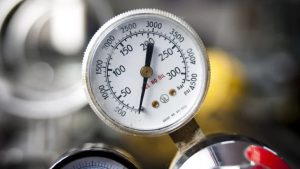
One of the most frustrating issues users encounter with a rosin press is low or no pressure during the extraction process. Pressure is a crucial element for successful rosin extraction, as it helps to squeeze the cannabinoids and terpenes out of the material. If your rosin press is not generating sufficient pressure, it can lead to poor yields and low-quality rosin, which can be a major setback.
There are several potential causes for this problem. For hydraulic rosin presses, low pressure may be due to a malfunctioning pump or hydraulic system. If the pump isn’t functioning properly or there’s a leak in the hydraulic system, pressure levels will drop. Regularly inspect the pump, hoses, and other components to ensure they’re in good working order. Additionally, keep an eye out for any blockages that might be preventing the system from building adequate pressure.

For pneumatic presses, insufficient air pressure from the compressor can be the culprit. Make sure your air compressor is delivering the necessary pressure to the rosin press, and check for any issues like low air flow, leaks, or faulty components. If the press doesn’t receive enough air pressure, it won’t be able to generate the necessary force for effective extraction.
Another factor to consider is the material you’re pressing. Overcompacting the material in the bag can restrict the flow of rosin, preventing the pressure from distributing evenly. Be sure to pack the material loosely to allow for proper pressure distribution, ensuring a more efficient extraction process with your rosin press.
Pressing Bags and Parchment Paper Issues
When using a rosin press, the quality of your pressing bags and parchment paper can significantly impact the outcome of your extraction. If you notice that the rosin isn’t flowing properly or is sticking to the bag or parchment paper, it’s time to assess these materials. Issues with bags or paper can result in lower yields and affect the purity of your rosin.
First, ensure you’re using high-quality rosin pressing bags. Not all bags are made to withstand the pressure of a rosin press. Low-quality bags or those made from non-food-grade materials may rupture under pressure or allow contaminants to mix with your rosin. Always use durable, food-grade nylon bags that are specifically designed for rosin extraction. The micron size of the bag is also critical; for flower, a 90-160 micron bag is ideal, while hash or sifted material requires smaller bags, typically between 45-90 microns.
The parchment paper used in the extraction process is equally important. Standard parchment paper may absorb the rosin or allow it to stick, reducing your overall yield. Opt for unbleached, non-stick parchment paper that’s designed for rosin extraction. This will help the rosin separate easily from the paper, allowing for a cleaner and more efficient extraction process.

Additionally, if you’re pressing at higher temperatures, using the wrong parchment paper can cause it to burn or degrade, potentially ruining your rosin. By using the correct bags and parchment paper, you ensure that your rosin press operates at peak efficiency, maximizing both yield and quality.
Uneven Heating Plates
Uneven heating plates are a common issue when using a rosin press, and they can lead to inconsistent extractions, which affect the quality and yield of your rosin. When the heating plates don’t distribute heat evenly, you may end up with hot spots that cause uneven extraction or a burnt product. This problem can lead to a less efficient press and a subpar final product, making it essential to ensure the plates are working properly.
The first step in troubleshooting uneven heating is to check if the rosin press plates are calibrated correctly. Over time, heating elements can degrade or lose their ability to maintain consistent heat, especially if the press is frequently used. Ensure that the plates are clean and free from resin buildup, as residue can obstruct heat distribution. Regular cleaning will help maintain consistent performance.

For rosin press models that use digital controls, verify that the temperature settings are accurate and that the plates are reaching the desired temperature evenly. If your press uses manual controls, consider upgrading to a digital model that allows for better temperature precision.
In some cases, the issue may lie with the press itself. If the heating elements are faulty or have developed a defect, the only solution may be to replace them. Always refer to the manufacturer’s instructions for maintenance or calibration tips to ensure that your rosin press continues to operate optimally.
By addressing heating plate issues, you can ensure that your rosin press performs at its best, resulting in higher yields and superior-quality rosin.
Pressing Time and Over-Processing
Pressing time is a critical factor when using a rosin press, and improper timing can lead to over-processed or under-processed rosin. Both extremes can affect the yield, texture, and overall quality of the final product, making it essential to find the right balance.
If you press for too long, the rosin can become dark, brittle, and less flavorful. This happens because extended heat exposure degrades the cannabinoids and terpenes, which can lead to a loss of potency. On the other hand, if the press time is too short, you may not extract enough rosin, resulting in a low yield and less effective concentrate. Finding the right pressing time is crucial for achieving high-quality rosin with optimal consistency.
The ideal pressing time for a rosin press varies depending on the material being used and the temperature settings. For cannabis flower, pressing for 90 seconds to 2 minutes is typically sufficient. For concentrates like hash, the time may be extended to 3-4 minutes at slightly higher temperatures. However, these are general guidelines, and experimentation is often necessary to fine-tune the process for different strains and types of material.
It’s also important to monitor the press closely during the extraction process. If you notice the rosin becoming too dark or the texture changing to a more brittle consistency, it could be a sign that you’re over-pressing. Adjusting the pressing time and maintaining precise control over temperature and pressure will help you avoid over-processing, ensuring the best results from your rosin press.
Conclusion: Regular Maintenance for Smooth Operation
A rosin press is a valuable tool for any cannabis or hemp extractor, but like any piece of equipment, it requires regular maintenance and troubleshooting to keep it running smoothly. By ensuring you are using the right pressure, temperature, and pressing time, as well as investing in high-quality bags and parchment paper, you can achieve consistently excellent results.
Additionally, taking the time to check for issues like low pressure, uneven heating plates, and over-processing will help you avoid common mistakes. Regular cleaning and part inspections are essential for prolonging the life of your press and ensuring optimal extraction performance every time.
With the right approach to troubleshooting and ongoing maintenance, your rosin press can provide top-notch results, offering high-quality concentrates for personal use or commercial production.



Add comment