

The popularity of solventless extraction has transformed the way enthusiasts and professionals create high-quality concentrates. Among the many extraction methods available today, using a rosin press has become one of the safest, cleanest, and most efficient ways to produce premium rosin without relying on chemical solvents. Whether you are a beginner exploring the basics or an experienced user looking to improve your results, understanding how a rosin press works is the first step toward consistent success.
Unlike extraction techniques that require butane, propane, or other solvents, a rosin press uses only heat and pressure to separate valuable oils from plant material. This straightforward process preserves natural flavors, aromas, and cannabinoids while eliminating the need for complicated equipment or hazardous chemicals. As a result, the rosin press has become a favorite choice for home users, small-scale producers, and commercial operations alike.
Learning how to use a rosin press effectively involves much more than simply applying heat and pressure. Factors such as temperature, pressure, pressing time, humidity, and material quality all play an important role in determining yield and overall quality. With the right techniques, a rosin press can consistently produce clean, flavorful, and potent rosin.
This guide covers everything you need to know about using a rosin press, from understanding the extraction process to selecting equipment, optimizing pressing conditions, and avoiding common mistakes.
What Is a Rosin Press?
A rosin press is a specialized machine designed to extract natural resin from plant material through the controlled application of heat and pressure. Instead of using chemical solvents, the rosin press gently squeezes resin glands until the valuable oils flow out onto parchment paper, where they can be collected once cooled.
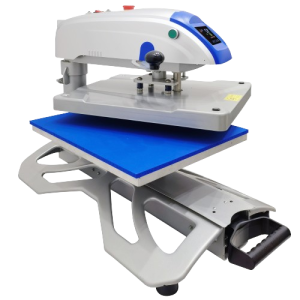
Modern rosin press machines come in various sizes and configurations. Compact manual models are popular among hobbyists because they are affordable and easy to operate. Hydraulic and pneumatic systems offer greater pressure and consistency, making them suitable for higher production volumes. Electric models with digital temperature controls allow users to make precise adjustments that improve repeatability.
The simplicity of a rosin press is one of its greatest advantages. Since no solvents are involved, cleanup is minimal, safety risks are reduced, and the resulting concentrate remains exceptionally pure when high-quality starting material is used.
How a Rosin Press Works
Although operating a rosin press appears straightforward, the science behind the process is surprisingly interesting. Heat softens the resin within the plant material while pressure forces the oils out through the surrounding plant tissue. Once released, the sticky resin collects on parchment paper positioned between the heated plates.

Finding the proper balance between heat and pressure is essential. Excessive temperatures can darken the rosin and reduce its terpene content, while insufficient heat may leave valuable oils trapped inside the material. Likewise, too much pressure may force unwanted plant particles into the final product, whereas too little pressure can reduce extraction efficiency.
A quality rosin press allows users to fine-tune these variables until they achieve the ideal combination for their chosen material.
Types of Rosin Press Machines
Choosing the right rosin press depends on production goals, available workspace, and budget. Manufacturers now offer several categories designed for different users.
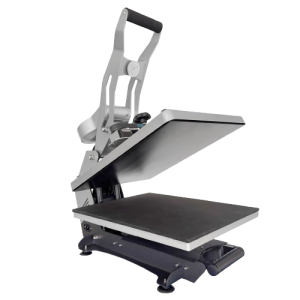
Manual presses rely on hand-operated mechanisms that generate pressure without electricity or hydraulic assistance. These entry-level machines provide an affordable introduction to solventless extraction while remaining portable and easy to maintain.
Hydraulic models generate significantly greater pressure using bottle jacks or hydraulic cylinders. A hydraulic rosin press is well suited for users who require consistent performance across larger batches.
Pneumatic systems operate using compressed air, reducing physical effort while delivering highly repeatable pressure. Commercial producers often choose a pneumatic rosin press because it enables efficient production with minimal operator fatigue.
Electric automatic presses combine digital controls with reliable heating systems, making them popular among users who value convenience and precise temperature management. Many premium rosin press models also include timers, programmable settings, and safety features that simplify operation.
Understanding Temperature and Pressure
Every successful rosin press session begins with selecting the proper temperature. Lower temperatures generally preserve more terpenes, resulting in lighter-colored rosin with exceptional flavor. Higher temperatures often increase yield but may sacrifice some aroma and produce a darker consistency.
Many experienced users begin with moderate temperatures before making small adjustments based on their material. Experimentation is often necessary because different strains and moisture levels respond differently to heat.
Pressure is equally important. A rosin press should apply enough force to encourage resin flow without crushing unwanted plant matter into the extract. Gradually increasing pressure instead of applying maximum force immediately often leads to cleaner and more attractive rosin.
Time also contributes to successful extraction. Most pressing cycles last anywhere from under a minute to several minutes depending on the material and desired outcome. A quality rosin press makes it easier to repeat successful settings from one pressing session to the next.
Choosing the Best Material
Even the most advanced rosin press cannot compensate for poor-quality starting material. Fresh, well-cured material with healthy resin production typically produces superior results compared to dry or aged material.

Moisture content significantly affects performance. Material that is too dry may produce lower yields because brittle trichomes are less likely to release their oils efficiently. Conversely, overly moist material can create excess steam during pressing, which may negatively affect consistency.
Many experienced operators store material in humidity-controlled conditions before using a rosin press. Proper preparation allows the resin glands to respond more effectively to heat and pressure, improving both yield and overall quality.
Fresh frozen material, dry sift, and bubble hash may also be processed with an appropriate rosin press, often producing exceptionally pure concentrates with remarkable terpene preservation.
Preparing Your Rosin Press for Use
Preparation is an important step that many beginners overlook. Before turning on the rosin press, ensure the heating plates are clean and free from leftover residue. Dirty plates may contaminate fresh rosin or interfere with even heat distribution.
High-quality parchment paper should always be used because it prevents the rosin from sticking to the heated plates. The parchment should extend beyond the plates, allowing the extracted resin to flow safely away from the pressing area.
If filter bags are being used, fill them evenly without overpacking. Properly packed bags allow the rosin press to distribute pressure consistently, improving extraction efficiency while minimizing blowouts.
Once the plates reach the desired temperature, carefully position the parchment and material before gradually applying pressure. Smooth, controlled operation helps the rosin press produce cleaner, more consistent results than sudden force.
Common Mistakes Beginners Make
Learning to operate a rosin press involves some trial and error, but avoiding a few common mistakes can dramatically improve early results.
Many beginners assume that increasing pressure automatically increases yield. In reality, excessive pressure can force unwanted plant particles into the extract, reducing clarity and overall quality.
Another frequent mistake involves pressing material that has become overly dry. Even a premium rosin press performs best when the starting material contains an appropriate level of moisture.
Using temperatures that are too high is another issue. While hotter settings may appear to produce more rosin initially, they can also reduce flavor and create darker extracts. Careful temperature control allows the rosin press to preserve delicate terpenes while still achieving satisfying yields.
Neglecting routine maintenance is also common. Cleaning the plates after every session helps ensure that the rosin press continues to perform consistently and prevents residue from affecting future batches.
Using Filter Bags for Better Results
While some materials can be pressed directly between parchment paper, many experienced users choose to incorporate filter bags into the process. A filter bag acts as a barrier that allows the extracted oils to pass through while helping to retain unwanted plant particles. When paired with a quality rosin press, filter bags can improve both the appearance and purity of the finished product.
Filter bags are available in several micron sizes, each suited to different materials. Selecting the appropriate micron rating is important because it influences both yield and cleanliness. A finer mesh may produce a cleaner extract, while a slightly larger mesh can improve resin flow depending on the material being pressed.

Proper packing is equally important. Overfilled bags may burst under pressure, while loosely packed bags can lead to uneven extraction. Compressing the material evenly before placing it in the rosin press helps create consistent pressure across the entire surface area, resulting in a smoother pressing experience.
How to Maximize Rosin Yield
Every operator wants to get the most from each pressing session, but maximizing yield is about much more than applying additional force. Success comes from optimizing every variable involved in the extraction process.
High-quality starting material remains the most significant factor. Even the most advanced rosin press cannot produce premium rosin from material that lacks healthy resin production. Fresh, well-preserved material generally delivers both better flavor and higher returns.
Consistent temperature is another critical element. Allowing the heated plates to stabilize before beginning ensures that the rosin press maintains even heat throughout the extraction. Fluctuating temperatures can reduce consistency and make it difficult to reproduce successful results.
Applying pressure gradually also contributes to improved yields. Instead of immediately using maximum force, slowly increasing pressure gives the softened resin time to flow naturally through the material. This controlled approach often produces cleaner rosin while reducing the likelihood of contaminants entering the final extract.
Keeping detailed records can also make a noticeable difference over time. Recording temperature, pressing duration, pressure, material type, and yield allows users to identify successful combinations and refine their technique with each use of the rosin press.
Cleaning and Maintaining Your Rosin Press
Routine maintenance extends the lifespan of a rosin press while ensuring reliable performance. Fortunately, cleaning is relatively straightforward when performed after each pressing session.
The heated plates should be wiped carefully once they have cooled to a safe temperature. Removing residual oils prevents buildup that could affect future extractions. Using parchment paper during every pressing session significantly reduces direct contact between the plates and resin, making cleanup much easier.

Regularly inspecting electrical components, hydraulic systems, or moving parts helps identify wear before it becomes a larger issue. Users should also verify that temperature controls remain accurate, as consistent heat is essential for dependable results.
Keeping the rosin press in a clean, dry environment further protects it from dust, moisture, and corrosion. Proper storage not only preserves the equipment but also contributes to more consistent extractions over the long term.
Troubleshooting Common Pressing Problems
Even experienced users occasionally encounter issues while using a rosin press. Understanding the most common problems can help minimize frustration and improve overall performance.
Low yields often result from material that is too dry, insufficient pressure, or temperatures that are lower than optimal. Making small adjustments to one variable at a time allows users to identify the most effective settings without introducing unnecessary complications.
Dark-colored rosin may indicate excessive heat or pressing for too long. Reducing the temperature slightly or shortening the pressing cycle often improves both color and terpene preservation during the next use of the rosin press.
If plant material begins appearing in the final extract, excessive pressure or damaged filter bags may be responsible. Checking bag condition and applying pressure more gradually usually resolves this issue.
Uneven resin flow can occur when the material is packed inconsistently or when pressure is distributed unevenly across the plates. Taking additional care during preparation helps the rosin press produce more uniform results.
Proper Storage After Pressing
Producing high-quality rosin is only part of the process. Proper storage plays an equally important role in preserving aroma, texture, and potency after using a rosin press.
Freshly collected rosin should be transferred into clean, airtight glass containers whenever possible. Exposure to heat, oxygen, and direct sunlight can gradually degrade the concentrate, reducing both flavor and overall quality.

Cool, dark storage conditions help maintain the integrity of the extract over time. Some users choose refrigerated storage for longer-term preservation, provided condensation is minimized before opening the container.
Limiting unnecessary handling also helps preserve the product. Every time rosin is exposed to air or fluctuating temperatures, subtle changes in texture and aroma may occur. Careful storage ensures that the results achieved with the rosin press remain as fresh as possible.
Is a Rosin Press Worth the Investment?
For many users, purchasing a rosin press represents a worthwhile long-term investment. The ability to create solventless concentrates at home offers greater control over quality while reducing dependence on commercially produced extracts.
Home users appreciate the simplicity and safety of operating a rosin press, while small businesses often value the consistency, scalability, and efficiency offered by professional models. As the solventless market continues to expand, modern equipment has become more accessible across a wide range of budgets.
The initial investment varies depending on features, pressure capacity, plate size, and construction quality. While entry-level models provide an affordable starting point, premium machines often deliver improved precision, durability, and productivity that justify the additional cost for frequent users.
Ultimately, the value of a rosin press depends on individual needs, production goals, and how often it will be used. For those seeking clean, solventless extraction with full control over the process, it can be an excellent addition to their equipment.
Conclusion
A rosin press has transformed solventless extraction by providing a clean, efficient, and reliable method for producing high-quality rosin using only heat and pressure. From selecting the right machine to understanding temperature, pressure, preparation, and maintenance, every step contributes to the quality of the finished product.
Success with a rosin press comes through careful experimentation and attention to detail. Small adjustments to pressing conditions can significantly influence yield, appearance, flavor, and consistency. As experience grows, users become better equipped to tailor each pressing session to the unique characteristics of their chosen material.
Whether you are investing in your first rosin press or upgrading to a more advanced model, mastering the fundamentals outlined in this guide will help you achieve dependable, repeatable results. By combining quality equipment with thoughtful preparation and proper maintenance, a rosin press can deliver exceptional solventless extracts for years to come, making it one of the most valuable tools for anyone interested in modern extraction techniques.



Add comment