

Introduction
Aromatherapy has become increasingly popular among individuals seeking natural ways to enhance relaxation, improve mood, and create a calming environment. At the heart of aromatherapy is the use of concentrated botanical extracts that capture the unique fragrances and beneficial compounds found in plants. As consumers become more conscious about purity and sustainability, interest in solventless extraction methods has grown significantly. One technique that continues to attract attention is rosin pressing, a process that relies on heat and pressure rather than chemical solvents. The growing demand for clean extraction methods has made the rosin press a valuable tool for both enthusiasts and professionals involved in aromatic product creation.
Unlike many traditional extraction techniques, a rosin press allows users to obtain concentrated plant essences without introducing potentially unwanted chemicals into the final product. This approach appeals to those who value transparency and natural wellness solutions. The extracts produced through a rosin press often retain the authentic aroma of the original plant material, making them particularly suitable for aromatherapy applications.
The versatility of a rosin press also contributes to its popularity. Whether used by small-scale producers, hobbyists, or commercial operations, this equipment provides a straightforward way to capture valuable aromatic compounds. As technology continues to evolve, the rosin press is becoming more efficient and accessible than ever before. Understanding how this extraction method works and why it is beneficial can help aromatherapy practitioners make informed decisions about producing high-quality botanical extracts that align with modern consumer expectations.
Understanding Rosin Pressing
Rosin pressing is a solventless extraction technique that uses controlled heat and pressure to release aromatic oils and beneficial compounds from botanical materials. Unlike extraction methods that depend on alcohols, hydrocarbons, or other solvents, a rosin press relies entirely on mechanical force and carefully regulated temperatures. This simple yet effective process has gained widespread recognition for its ability to produce clean, concentrated extracts while preserving much of the plant’s natural character.

The process begins by placing prepared botanical material between specialized surfaces within a rosin press. Once the desired temperature is reached, pressure is applied gradually to encourage the release of oils and aromatic compounds. As these compounds are extracted, they are collected and processed for various applications, including aromatherapy products. The effectiveness of a rosin press depends on several factors, including temperature settings, pressure levels, pressing duration, and the quality of the starting material.
One reason many users favor a rosin press is the level of control it offers. By adjusting extraction parameters, operators can influence the consistency, aroma, and overall quality of the resulting extract. This flexibility makes the rosin press suitable for a wide range of botanical materials and production goals.
As interest in natural wellness products continues to expand, more producers are turning to the rosin press as a reliable extraction solution. Its ability to create solvent-free concentrates while maintaining a relatively straightforward workflow has established it as an important tool in modern botanical extraction and aromatherapy production.
Why Rosin Pressing Is Ideal for Aromatherapy
The success of aromatherapy depends heavily on the quality and purity of the botanical extracts being used. Aromatic compounds are often delicate and can be affected by harsh processing methods. This is one of the primary reasons why the rosin press has become increasingly popular within the aromatherapy community. By using only heat and pressure, a rosin press provides a gentle extraction approach that helps preserve the natural fragrance profile of many plant materials.
One major advantage of using a rosin press is the absence of chemical solvents. Consumers today are more informed about ingredient sourcing and production practices than ever before. Many prefer products that are as natural as possible, and extracts created with a rosin press align well with these expectations. Solventless extraction reduces concerns about residual chemicals while supporting a cleaner production process.

A rosin press also allows operators to fine-tune extraction conditions based on the characteristics of specific botanicals. Different plants respond differently to temperature and pressure, and the ability to make precise adjustments can significantly influence the quality of the final extract. This flexibility enables producers to optimize aromatic preservation and achieve consistent results.
Another benefit of the rosin press is its efficiency. The extraction process can often be completed relatively quickly compared to some traditional methods. For aromatherapy practitioners seeking fresh, highly aromatic extracts, a rosin press offers an effective solution. Its combination of simplicity, purity, and adaptability makes it an increasingly valuable technology for those dedicated to harnessing the natural essence of botanical materials.
The Extraction Process
The extraction process used by a rosin press is designed to maximize the recovery of aromatic compounds while minimizing unnecessary processing steps. Success begins with selecting high-quality botanical material, as the quality of the starting plant directly affects the quality of the final extract. Fresh, properly cured, or carefully dried materials are often preferred because they contain well-preserved aromatic compounds that respond effectively to extraction.

Before using a rosin press, the botanical material is typically prepared and positioned between specialized sheets or surfaces designed to facilitate collection. The rosin press is then set to a specific temperature based on the characteristics of the plant being processed. Once the equipment reaches the desired temperature, pressure is applied gradually. The combination of heat and pressure encourages the plant’s natural oils and aromatic compounds to separate from the plant matter.
As the extraction occurs, the concentrated essence flows outward and can be collected for further use. Operators often experiment with different rosin press settings to determine the ideal balance between yield and aroma preservation. Small adjustments in temperature, pressure, and pressing time can significantly influence the characteristics of the extract.
The relatively simple workflow of a rosin press is one reason for its growing popularity. Unlike methods that require extensive solvent handling and purification steps, a rosin press offers a more direct path from plant material to finished extract. This streamlined process appeals to aromatherapy producers seeking efficiency, consistency, and a solvent-free approach to capturing the natural essence of botanicals.
Benefits of Solventless Aromatic Extracts
One of the most important advantages of using a rosin press in aromatherapy is the production of solventless extracts. These extracts are highly valued because they avoid the use of chemical solvents, resulting in a cleaner and more natural final product. In modern wellness culture, purity is a key concern, and the rosin press supports this demand by relying solely on heat and pressure to obtain aromatic compounds.
Extracts produced through a rosin press often retain a fuller and more authentic scent profile compared to those produced through more aggressive chemical processes. This is particularly important in aromatherapy, where subtle fragrance notes can significantly influence emotional and sensory experiences. The gentle nature of a rosin press helps preserve these delicate aromatic compounds, allowing users to enjoy a truer expression of the plant’s essence.
Another benefit is environmental impact. Because a rosin press does not require solvents, it reduces the need for chemical handling, storage, and disposal. This makes it a more eco-conscious choice for individuals and businesses looking to minimize their environmental footprint. The simplicity of the process also contributes to lower operational complexity, making the rosin press accessible to a wide range of users.

Additionally, solventless extracts created with a rosin press can be used in various aromatherapy applications, including diffusers, blends, and personal wellness routines. The versatility of these extracts enhances the overall value of the rosin press, positioning it as a practical and sustainable tool in modern botanical extraction.
Choosing the Right Rosin Press
Selecting the right rosin press is essential for achieving consistent and high-quality aromatherapy extracts. Different models offer varying levels of pressure control, temperature precision, and plate size, all of which can influence extraction results. Understanding these features helps users choose a rosin press that aligns with their production goals and experience level.
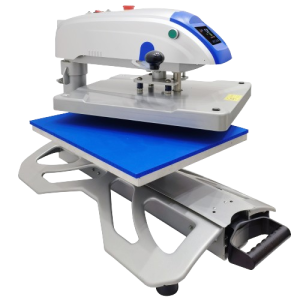
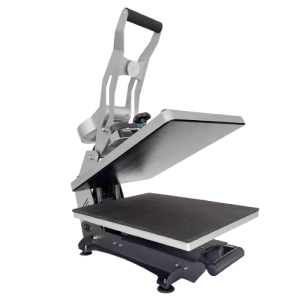
For beginners, a simpler rosin press with basic controls may be sufficient. These models typically focus on ease of use and reliability, making them ideal for learning the fundamentals of solventless extraction. As users gain experience, they may choose to upgrade to a more advanced rosin press that offers digital temperature settings and higher pressure capabilities for greater precision.

Plate size is another important consideration when selecting a rosin press. Larger plates allow for processing greater amounts of material at once, which can improve efficiency for commercial or high-volume users. However, smaller plates on a compact rosin press may be more suitable for personal or experimental use, where precision is prioritized over volume.
Durability and build quality should also be taken into account. A well-constructed rosin press ensures stable performance over time and reduces the risk of inconsistent results. Investing in a reliable machine can significantly enhance long-term productivity and extraction quality.
Ultimately, the best rosin press is one that balances performance, control, and usability, allowing users to consistently produce aromatic extracts that meet their desired standards.
Future Trends in Aromatherapy Extraction
The future of aromatherapy extraction is closely tied to advancements in solventless technology, and the rosin press is expected to play a central role in this evolution. As consumer demand for natural and transparent production methods continues to grow, manufacturers are investing in improved rosin press designs that offer greater efficiency, precision, and scalability.

One emerging trend is the integration of digital technology into the rosin press. Modern systems are increasingly equipped with programmable settings, allowing users to replicate successful extraction conditions with greater accuracy. This level of control enhances consistency and helps producers refine their aromatherapy products more effectively.
Another development is the expansion of rosin press applications beyond small-scale use. While traditionally associated with hobbyists and boutique producers, improved engineering is making it possible for larger operations to adopt rosin press technology for commercial production. This shift is helping to standardize solventless extraction across the industry.
Sustainability is also shaping the future of the rosin press. As environmental awareness increases, more producers are seeking extraction methods that reduce chemical waste and energy consumption. The inherently clean nature of the rosin press positions it as a strong candidate for sustainable production practices in aromatherapy and related fields.
Conclusion
Rosin pressing has established itself as a valuable method for producing high-quality aromatic extracts in a clean and efficient manner. By using a rosin press, producers can harness the natural essence of botanical materials without relying on chemical solvents. This approach aligns with growing consumer preferences for purity, sustainability, and transparency in wellness products.
The versatility and simplicity of the rosin press make it suitable for both beginners and experienced practitioners. From small-scale experimentation to more advanced production, it offers a flexible solution for capturing plant-based aromas in their most natural form.
As technology continues to evolve, the rosin press is likely to become even more refined, further enhancing its role in aromatherapy. Its ability to deliver solventless, aromatic extracts ensures that it will remain an important tool for those seeking to explore and preserve the natural power of botanical essences.



Add comment