
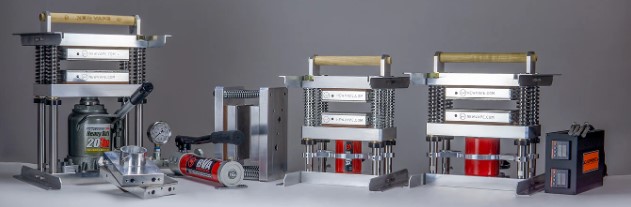
Rosin pressing is a popular method for extracting cannabis concentrates using heat and pressure. Unlike other extraction methods, such as using solvents, rosin pressing is relatively simple and safer, making it an attractive option for both beginners and experienced enthusiasts. However, while rosin pressing may seem straightforward, there are several common mistakes that beginners often make. In this article, we’ll explore these errors and provide helpful tips to ensure your rosin press sessions are successful and produce high-quality concentrates.
Choosing the Wrong Rosin Press
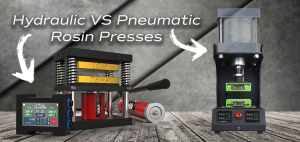
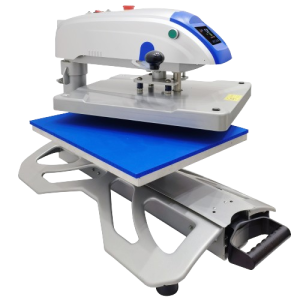
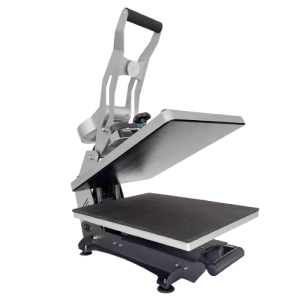
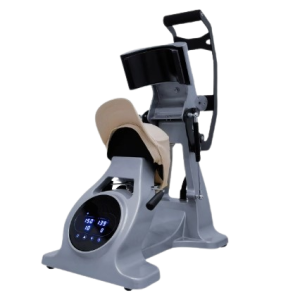
One of the most common mistakes beginners make when starting with rosin pressing is choosing the wrong rosin press. With so many models on the market, selecting the right device can be overwhelming. A low-quality or improperly suited rosin press can lead to poor results, reducing the efficiency and quality of your extracts. Beginners often overlook essential features such as pressure capacity, heat consistency, and plate size. A rosin press with insufficient pressure will struggle to extract the full potential from your material, leaving behind valuable cannabinoids and terpenes. On the other hand, a press with too much pressure can cause unwanted contamination or over-pressing, which may compromise the final product.
To avoid this mistake, it’s important to select a rosin press that fits your specific needs. Consider factors like the material you plan to press (flower, hash, or kief) and the volume of rosin you want to produce. Smaller, portable presses may be more convenient for beginners, but larger presses can offer better yields and more consistent results for serious users. Always prioritize a rosin press with adjustable pressure settings, as this will allow you to fine-tune the pressure depending on the material being used. Additionally, ensure the press has precise temperature control and high-quality plates, which are crucial for achieving optimal rosin extraction. By choosing the right rosin press, you set yourself up for success and ensure that every pressing session results in the highest-quality concentrates.
Not Using the Right Material
Using the right material is crucial when working with a rosin press, and this is a mistake that many beginners make. The quality of your material directly affects the outcome of your rosin extraction. For optimal results, it’s essential to choose high-quality cannabis, whether it’s flower, hash, or kief. Low-grade or improperly prepared material can lead to a lower yield and an inferior final product. For instance, flower that is too dry or too moist can result in rosin that lacks flavor and potency. Additionally, poorly trimmed or processed material might contain excessive plant matter, which can negatively impact the purity of the concentrate.

When using a rosin press, the moisture content of your material plays a significant role in the extraction process. Too much moisture can cause the rosin to be runny and leave behind an undesirable texture, while too little moisture can lead to a dry, crumbly product. Beginners should aim to use freshly cured flower or high-quality hash that has the ideal moisture balance for pressing.
To ensure the best results with your rosin press, it’s also important to properly prepare your material before pressing. This includes evenly distributing the cannabis in the rosin bags and ensuring that it is tightly packed but not overstuffed. This helps achieve a consistent, high-quality extraction. By using the right material and properly preparing it for pressing, you’ll maximize the efficiency of your rosin press and enhance the overall quality of your rosin.
Incorrect Temperature Settings
One of the most critical factors in achieving a successful rosin extraction is setting the right temperature on your rosin press. Beginners often make the mistake of using incorrect temperature settings, which can significantly affect the quality of the rosin. Temperature plays a key role in preserving the cannabinoids and terpenes in the cannabis and getting it wrong can lead to poor results.
If the temperature is too high, the heat can degrade the delicate compounds in the cannabis, causing the rosin to lose its potency and flavour. High temperatures can also cause the extraction to be too thin or runny, leading to a lower yield. On the other hand, setting the temperature too low may result in an inefficient extraction, where not all of the valuable cannabinoids are released, leaving you with a subpar product.

When using a rosin press, it’s essential to find the optimal temperature range for the material you’re pressing. Generally, temperatures between 180°F and 220°F are recommended, but this can vary depending on the type of cannabis being used. For flower, lower temperatures are often preferred to preserve the flavours and terpenes, while higher temperatures may be necessary for pressing hash or kief.
To avoid the mistake of incorrect temperature settings, it’s important to experiment and find the right balance for your rosin press. With practice, you’ll be able to fine-tune the temperature to extract the highest quality rosin with optimal flavour, potency, and yield.
Applying Too Much Pressure
While pressure is essential to the rosin extraction process, applying too much pressure can be one of the most common mistakes beginners make when using a rosin press. Many people assume that higher pressure leads to better results, but this isn’t always the case. Excessive pressure can actually harm the quality of the rosin, leading to a lower yield and a more undesirable product.
When too much pressure is applied, the rosin can become too thin and runny, making it harder to collect and resulting in a less concentrated extract. Additionally, over-pressing can force unwanted plant material or contaminants into the rosin, which compromises its purity and quality. It’s important to remember that the goal of using a rosin press is to extract the essential cannabinoids and terpenes, not to squeeze every last drop of material.
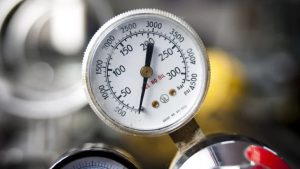
To avoid this mistake, it’s crucial to apply consistent, moderate pressure while using the rosin press. The pressure should be enough to help release the oils from the material but not so much that it causes issues with the extraction process. A well-balanced approach will ensure that you preserve the integrity of the rosin and allow for an efficient, high-quality extraction.
Beginners should experiment with different pressure settings to find the optimal level for their rosin press. With experience, you’ll develop a feel for the right pressure and be able to achieve better results while maintaining the quality of your rosin. By avoiding excessive pressure, you’ll achieve a cleaner and more potent concentrate.
Rushing the Pressing Process
One of the most common mistakes beginners make when using a rosin press is rushing the pressing process. While it may seem tempting to quickly apply heat and pressure to produce rosin in a short amount of time, this approach often leads to poor results. Rushing through the process can negatively impact the quality and yield of your extract.

When using a rosin press, it’s important to give the material sufficient time to release its valuable oils. If you apply too much pressure or heat too quickly, the cannabinoids and terpenes may not be fully extracted, leading to a less potent and flavorful product. Allowing the rosin press to operate for the appropriate amount of time ensures that the extraction is complete, maximizing the yield and preserving the delicate compounds in the material.
The duration of the pressing process can vary depending on factors such as temperature, pressure, and the type of material being used. Flower may require a slightly longer press time compared to hash or kief. Beginners should start with a moderate pressing time and adjust based on their specific material and desired outcome.
By giving the rosin press enough time to properly extract the oils, you’ll avoid rushing and allow for a smoother, more efficient extraction. With patience, you can achieve higher-quality rosin with better consistency. Avoiding the mistake of rushing through the process will help ensure that your rosin press sessions produce the best possible results every time.
Neglecting to Filter the Rosin
One of the most overlooked mistakes beginners make when using a rosin press is neglecting to properly filter the rosin during extraction. While the rosin press does an excellent job of applying heat and pressure, it’s still important to filter out any unwanted plant material, contaminants, or impurities from the final product. Failing to filter your rosin can result in a product that is not only less potent but also contains undesirable particles, affecting the overall quality and smoothness of the concentrate.
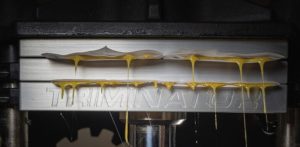
When using a rosin press, it’s essential to use the right rosin bags or filters. These bags help separate the cannabis material from the extracted rosin, ensuring that only the purest oils make it into the final concentrate. Rosin bags come in various micron sizes, and the right size depends on the material being pressed. For flower, a larger micron size is usually preferred, while hash or kief may require a smaller micron size to capture the finest particles.
Proper filtration also improves the texture and consistency of your rosin. Without proper filtering, you may end up with a product that has a gritty or uneven texture due to leftover plant matter. By using a rosin press and the appropriate filters, you ensure that your rosin is free from impurities, resulting in a cleaner, smoother, and more potent concentrate.
Beginners should always prioritize filtering their rosin to maximize the purity and quality of their extracts. Regularly filtering your rosin press will not only improve the final product but also enhance the overall experience of your rosin extraction process.
Failing to Clean the Rosin Press Regularly
One of the most important maintenance tasks often overlooked by beginners is cleaning the rosin press after each use. Neglecting to clean your rosin press can lead to buildup of rosin residue on the plates, which affects the efficiency and longevity of the press. Over time, this residue can interfere with the heat distribution, causing uneven extractions and poor-quality rosin. Regular cleaning ensures that your rosin press continues to function optimally and provides the best results with every use.
After each pressing session, it’s crucial to wipe down the plates to remove any leftover rosin. Even a small amount of residue can impact the next extraction, leading to contamination or inconsistent results. A clean rosin press also ensures that no leftover plant material is transferred into the next batch of rosin, maintaining the purity and quality of your concentrates. Some presses come with removable plates, making it easier to clean them thoroughly after each use.

In addition to wiping down the plates, check other parts of the rosin press, such as the rosin bags and collection trays, for any remaining material. Regularly inspecting and cleaning all components of your rosin press will help maintain its efficiency and prevent clogs or other issues.
By incorporating regular cleaning into your routine, you will prolong the life of your rosin press and ensure that each extraction is as effective as possible. Failing to clean your rosin press properly can lead to unnecessary repairs or subpar results, so always make sure to give your press a proper cleaning after each use.
Conclusion
Rosin pressing is an enjoyable and rewarding process, but beginners must avoid common mistakes to achieve the best results. By choosing the right rosin press, using quality material, setting the proper temperature, applying the right pressure, and taking your time, you can produce top-notch concentrates. Additionally, don’t forget to filter your rosin and clean your press after each use. With practice and attention to detail, your rosin pressing sessions will produce high-quality extracts that showcase the full potential of your cannabis. By avoiding these mistakes, you’ll be well on your way to mastering the art of rosin pressing.



Add comment