

The world of cannabis extraction has evolved significantly over the years, with consumers increasingly seeking products that deliver both potency and flavor. One of the most exciting methods to preserve and enhance flavor is rosin pressing. By using a rosin press, cultivators and enthusiasts can unlock the full aromatic potential of their flower and concentrate, capturing the nuanced terpene profiles that define quality cannabis.
Understanding the Role of Terpenes in Flavor
Terpenes are the aromatic compounds in cannabis that give each strain its distinctive scent and taste. From sweet and fruity to earthy, piney, or citrusy notes, terpenes define the flavor profile of the plant. Preserving these delicate compounds during extraction is critical for anyone seeking a high-quality, flavorful concentrate. Traditional extraction methods, such as solvent-based processes, often use high heat or harsh chemicals that can degrade terpenes and diminish the overall taste of the product. This is where a rosin press shines as a superior alternative.

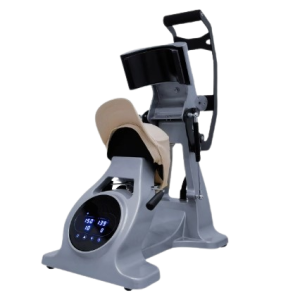
A rosin press applies heat and pressure directly to the cannabis flower or hash, allowing the resin to flow without the need for solvents. This method preserves the full terpene profile, resulting in a concentrate that maintains the aromatic complexity of the original plant. Using a rosin press, enthusiasts can extract concentrates that are not only potent but also flavorful, capturing subtle notes that might otherwise be lost.
The choice of temperature and pressure on a rosin press directly affects the flavor outcome. Lower temperatures tend to preserve more volatile terpenes, while slightly higher temperatures can increase yield without significantly impacting taste. By understanding terpene science and the mechanics of a rosin press, users can unlock the true potential of their cannabis, ensuring a concentrate that delivers a full sensory experience.
In essence, a rosin press doesn’t just extract resin—it extracts the personality of the plant, making terpene preservation and flavor enhancement the core advantage of this solventless method.
The Science Behind Rosin Pressing
A rosin press is a simple yet highly effective tool that uses controlled heat and pressure to extract resin from cannabis flower or hash. Unlike solvent-based extraction methods, which rely on chemicals that can strip away terpenes, a rosin press preserves the plant’s aromatic compounds while producing a clean, potent concentrate. This makes it an ideal method for anyone who values flavor alongside potency.
The process itself is deceptively straightforward. Cannabis material is placed between sheets of parchment paper and pressed under precise heat and pressure. The resin melts and oozes out, capturing the essential oils and terpenes in their natural state. Temperature control is critical during this process. Lower heat settings on a rosin press are particularly effective for preserving delicate, volatile terpenes, which are responsible for the strain’s unique aroma and taste. Slightly higher temperatures can increase yield but may slightly alter the flavor profile, so striking the right balance is essential.

Pressure is equally important. Too much force can crush the plant material and introduce unwanted plant matter into the rosin, while too little pressure may result in low yields. Experienced users of a rosin press understand that the optimal combination of heat and pressure is what maximizes both flavor and resin output.
Ultimately, a rosin press is more than a mechanical device—it’s a tool for unlocking the full sensory potential of cannabis. By preserving terpenes and maintaining purity, this method allows users to enjoy a concentrate that is aromatic, flavorful, and true to the plant’s original character, offering an unmatched experience compared to traditional extraction techniques.
Choosing the Right Material for Pressing
The quality of the starting material is one of the most critical factors in producing flavorful rosin. Whether using cannabis flower or solventless hash, the terpene content and overall freshness of the material directly influence the taste and aroma of the final concentrate. A rosin press is only as effective as the material it works with, making strain selection and proper preparation essential for achieving a rich, aromatic result.

High-quality, well-cured flower generally produces the most flavorful rosin, as it retains its natural terpene profile. Solventless hash, when pressed correctly with a rosin press, can also yield exceptional flavor, offering a concentrated experience of the strain’s aromatic complexity. For growers and enthusiasts who prioritize flavor, selecting strains with diverse and robust terpene profiles is crucial. Freshness matters as well; older or improperly stored cannabis can lose terpenes over time, resulting in a less aromatic and less flavorful rosin.
Using a rosin press effectively also involves considering the grind or consistency of the material. Too fine a texture may cause plant matter to mix with the extract, while too coarse a consistency can reduce yield. By optimizing both the quality and preparation of the material, users can ensure that their rosin press produces a concentrate that highlights the plant’s natural flavors.
Ultimately, the combination of premium cannabis material and the controlled application of heat and pressure with a rosin press allows for a concentrate that is both potent and aromatic. The right starting material ensures that every press captures the true essence of the plant, making flavor preservation the cornerstone of high-quality rosin production.
Techniques for Maximizing Terpene Retention

Maximizing terpene retention is essential for producing rosin that is both flavorful and aromatic. A rosin press offers the control necessary to achieve this balance, but careful technique is key. The combination of temperature, pressure, and material preparation directly affects how well the final concentrate preserves the plant’s natural aroma and taste.
Temperature control is perhaps the most critical factor. Lower heat settings on a rosin press help preserve volatile terpenes that give each strain its unique flavor, while slightly higher temperatures can improve yield without significantly degrading aromatic compounds. Many experienced users advocate a staged pressing approach, beginning with a lower temperature to extract delicate terpenes first and finishing with a moderate heat to maximize output.
Pressure is equally important. Excessive force can crush plant matter, introducing impurities and altering the flavor, whereas too little pressure may lead to low yield and uneven extraction. Adjusting pressure according to the material type—whether flower or hash—ensures the rosin press produces a clean, aromatic concentrate.
Preparation of the starting material also influences terpene retention. Grinding flower to a consistent size or properly pre-pressing hash can optimize the flow of resin while minimizing plant matter contamination. Using parchment paper and applying even pressure ensures the rosin maintains purity and flavor throughout the pressing process.
When these techniques are combined, a rosin press produces a concentrate that highlights the strain’s full terpene profile. Proper control over temperature, pressure, and preparation allows users to enjoy a flavorful, aromatic rosin that fully expresses the essence of the cannabis plant.
The Flavor Experience of High-Quality Rosin
One of the most rewarding aspects of using a rosin press is the unparalleled flavor experience it delivers. High-quality rosin captures the full spectrum of a strain’s terpene profile, offering aromatic complexity that is often lost in other extraction methods. Each puff can reveal layers of flavor, from citrusy and sweet to earthy, piney, or herbal notes, providing a sensory experience that highlights the uniqueness of the original cannabis.
Unlike solvent-based concentrates, which can strip or alter delicate terpenes, a rosin press preserves these compounds in their natural state. The result is a concentrate that tastes closer to the flower from which it was derived, offering both intensity and authenticity. Enthusiasts often describe the flavor of well-pressed rosin as richer, smoother, and more nuanced than many other extracts, making the process of pressing both a craft and an art.

The versatility of a rosin press also contributes to the flavor experience. By adjusting temperature and pressure, users can tailor the concentrate to emphasize specific terpenes or textures, creating a product that reflects their personal preferences. Whether pressing fresh flower, hash, or other solventless materials, the rosin press allows for precise control over the extraction process, ensuring that aroma and taste are maintained at every stage.
Ultimately, the flavor experience of high-quality rosin is a testament to the effectiveness of solventless extraction. Using a rosin press, cultivators and enthusiasts can enjoy a concentrate that not only delivers potency but also faithfully represents the aromatic character of the cannabis plant, offering a truly flavorful and satisfying experience.
Conclusion
Rosin pressing is more than just a method for producing cannabis concentrates; it is a gateway to experiencing the full spectrum of terpene-driven flavors. By using a rosin press with the right techniques and material, cultivators and enthusiasts can elevate their products, creating an aromatic and flavorful concentrate that captures the essence of the plant. For anyone seeking a high-quality, flavor-forward cannabis experience, mastering rosin pressing is a rewarding pursuit that emphasizes purity, potency, and taste.





Add comment