

The Rise of Flavor-Focused Extraction
In today’s extract market, flavor has become a defining factor that separates average products from truly premium ones. Consumers are increasingly drawn to rich, aromatic experiences that reflect the original source material, and this demand has driven innovation in extraction techniques. Among these, the rosin press has emerged as a standout solution for preserving and enhancing taste. Unlike traditional solvent-based methods, a rosin press uses only heat and pressure, allowing for a cleaner and more natural extraction process.
The appeal of the rosin press lies in its simplicity and effectiveness. By eliminating solvents, it avoids the risk of chemical interference that can dull or distort flavor. This makes the rosin press particularly attractive to artisans and connoisseurs who prioritize authenticity. As more producers adopt the rosin press, the industry is seeing a shift toward extracts that emphasize terpene preservation and full-spectrum flavor.
Another reason for the growing popularity of the rosin press is its accessibility. Both small-scale users and commercial operators can utilize a rosin press to achieve high-quality results. This democratization of extraction technology has allowed more people to experiment with flavor profiles and refine their craft. The rosin press is no longer just a niche tool; it has become central to the conversation around taste-driven extraction.
As flavor continues to take center stage, the rosin press is poised to remain a key player. Its ability to deliver clean, expressive extracts ensures its relevance in a market that values quality and sensory depth above all else.
How the Rosin Press Preserves Taste
The preservation of taste is one of the most important advantages of using a rosin press. Flavor in extracts is largely determined by terpenes, which are delicate compounds responsible for aroma and taste. These compounds are highly sensitive to environmental factors, especially heat and chemical exposure. A rosin press provides a controlled environment that minimizes damage to these essential elements.

When using a rosin press, the application of heat is carefully balanced with pressure to release oils without degrading terpenes. This gentle extraction process ensures that the resulting product maintains a robust and authentic flavor profile. Unlike harsher methods, the rosin press allows the natural characteristics of the material to shine through, creating a more enjoyable and nuanced experience.
Another key factor is the absence of solvents. Solvent-based extraction can sometimes strip away or alter terpenes, leading to a less vibrant taste. The rosin press eliminates this risk by relying solely on mechanical force. This not only enhances flavor but also contributes to a cleaner final product.
Consistency is also a major benefit of the rosin press. With proper technique, users can replicate results and maintain flavor quality across batches. This reliability makes the rosin press an essential tool for anyone focused on taste preservation.
Ultimately, the rosin press stands out because it respects the integrity of the source material. By maintaining the full spectrum of flavors, it delivers extracts that are both pure and deeply satisfying.
Temperature Control and Its Impact on Flavor
Temperature is one of the most critical variables when working with a rosin press, especially when the goal is to enhance flavor. Terpenes begin to degrade at relatively low temperatures, which means that even slight increases can significantly impact the final taste. A rosin press allows for precise temperature control, giving users the ability to fine-tune their extraction process.
Lower temperatures in a rosin press generally result in better flavor preservation. At these settings, more terpenes remain intact, producing extracts with complex and vibrant profiles. While the yield may be slightly lower, the trade-off is often worth it for those who prioritize taste. The rosin press excels in this area by enabling operators to experiment and find the perfect balance.

Higher temperatures, on the other hand, can increase output but may compromise flavor. When using a rosin press at elevated heat levels, some of the more delicate compounds can be lost. This highlights the importance of understanding how temperature influences the process and adjusting accordingly.
The versatility of the rosin press makes it possible to tailor results to specific preferences. Whether aiming for a light, aromatic extract or a more robust profile, temperature adjustments play a key role. With experience, users of the rosin press can develop a deep understanding of how to manipulate heat for optimal flavor.
In the end, mastering temperature control in a rosin press is essential for anyone looking to produce high-quality, flavorful extracts that stand out in a competitive market.
Material Quality and Flavor Outcomes
The quality of the starting material is a fundamental factor in determining the success of any extraction, and this is especially true when using a rosin press. Even the most advanced rosin press cannot transform poor-quality input into a flavorful product. High-quality material with strong aromatic properties is essential for achieving the best results.
When premium material is used in a rosin press, the outcome is often a rich and complex extract that captures the essence of the original source. The rosin press acts as an amplifier, intensifying the natural flavors and aromas present in the material. This makes it an ideal method for showcasing top-tier inputs.
Freshness also plays a crucial role. Material that has been properly stored and cured retains more terpenes, which translates into better flavor when processed with a rosin press. Using fresh inputs ensures that the rosin press can extract the full range of स्वाद and aromatic compounds.

Another advantage of the rosin press is its ability to highlight subtle flavor nuances. Because the process is gentle and solventless, even delicate notes are preserved. This allows producers to create extracts with unique and layered profiles.
Ultimately, the combination of high-quality material and a well-operated rosin press results in a superior product. For those focused on flavor, investing in both good inputs and a reliable rosin press is essential for consistent success.
Pressure Techniques and Flavor Expression
Pressure is a defining element of the rosin press process, and its proper application can significantly influence flavor expression. While heat initiates the release of oils, pressure ensures that these oils are efficiently extracted without compromising quality. A rosin press provides the control needed to apply pressure in a precise and consistent manner.
Applying too much pressure in a rosin press can lead to the extraction of unwanted compounds, which may negatively affect taste. Conversely, too little pressure may result in incomplete extraction and lower yield. Finding the right balance is key to achieving optimal flavor.
Experienced users of a rosin press often employ gradual pressure techniques. By slowly increasing force, they allow the oils to flow naturally, preserving the integrity of the terpenes. This method enhances the overall flavor profile and results in a smoother, more refined extract.
The design of the rosin press also plays a role in pressure distribution. High-quality machines ensure even application, reducing the risk of uneven extraction. This consistency is crucial for maintaining flavor quality across multiple batches.

With practice, mastering pressure techniques in a rosin press becomes second nature. Users can experiment with different approaches to discover what works best for their specific material and desired outcome.
In the end, the careful management of pressure in a rosin press is essential for unlocking the full potential of flavor, making it a vital skill for anyone serious about extraction.
The Role of Time in Flavor Development
Time is an often overlooked factor in the rosin press process, yet it plays a crucial role in shaping flavor. The duration of pressing can influence both the quality and complexity of the final extract. A rosin press allows users to control this variable with precision, making it possible to fine-tune results.

Shorter press times in a rosin press typically preserve more delicate terpenes, resulting in brighter and more aromatic extracts. These quick extractions are ideal for highlighting subtle flavor notes that might otherwise be lost. The rosin press excels in capturing these nuances when time is carefully managed.
Longer press times, while potentially increasing yield, can alter the flavor profile. Extended exposure to heat and pressure may cause some terpenes to degrade, leading to a less vibrant taste. This makes it important to strike a balance when using a rosin press.
Experimentation is key to understanding how time affects the process. By adjusting press durations, users can discover the optimal settings for their material. The flexibility of the rosin press makes it possible to explore a wide range of outcomes.
Consistency is another advantage. Once the ideal time is determined, the rosin press can reproduce similar results with each use. This reliability is essential for maintaining quality.
Ultimately, controlling time in a rosin press is a powerful way to influence flavor, allowing users to craft extracts that meet their exact preferences.
Comparing Rosin Press to Other Methods
When evaluating extraction techniques, the rosin press stands out for its ability to deliver clean and flavorful results. Traditional methods often rely on solvents, which can introduce variables that affect taste. In contrast, the rosin press uses a purely mechanical approach, ensuring a more natural outcome.
One of the main advantages of the rosin press is its simplicity. Without the need for chemicals, the process is more straightforward and easier to control. This reduces the risk of contamination and helps preserve the original flavor profile. The rosin press is particularly appealing to those who value purity.
Another benefit is the retention of terpenes. Solvent-based methods can sometimes strip away these compounds, resulting in a less expressive extract. The rosin press, however, maintains a higher مستوى of terpene integrity, leading to richer and more complex flavors.

Safety is also a consideration. The rosin press eliminates the need for potentially hazardous substances, making it a safer option for both small-scale and commercial use. This adds to its appeal as a reliable extraction method.
While other techniques may offer higher yields, the rosin press prioritizes quality over quantity. For many users, the superior flavor and clean profile outweigh the benefits of increased output.
In conclusion, the rosin press provides a balanced approach that combines efficiency, safety, and exceptional taste, making it a preferred choice for modern extraction.
Crafting Unique Flavor Profiles
One of the most exciting aspects of using a rosin press is the ability to create unique and customized flavor profiles. The process is highly adaptable, allowing users to experiment with different variables to achieve specific results. This makes the rosin press a powerful tool for innovation.
By adjusting temperature, pressure, and time, operators of a rosin press can influence the final flavor in meaningful ways. Lower temperatures might highlight fruity or floral notes, while slightly higher settings can bring out deeper, more robust characteristics. The rosin press provides the flexibility needed to explore these variations.
Blending different materials is another way to enhance creativity. When combined and processed through a rosin press, diverse inputs can produce complex and layered flavors. This opens up endless possibilities for crafting signature extracts.
The consistency of the rosin press also supports experimentation. Once a desirable profile is achieved, it can be replicated with precision. This reliability is essential for those looking to develop a recognizable product.

As the demand for distinctive flavors grows, the role of the rosin press becomes even more important. It allows producers to stand out by offering something truly unique.
In the end, the rosin press is more than just an extraction tool; it is a means of artistic expression, enabling users to push the boundaries of flavor and create memorable experiences.
Consumer Demand for Flavor-Rich Extracts
Consumer preferences have shifted significantly in recent years, with a growing emphasis on flavor and overall experience. This trend has elevated the importance of the rosin press as a method for producing high-quality extracts. People are no longer satisfied with potency alone; they want products that deliver rich and enjoyable taste.
The rosin press meets this demand by offering a solventless process that preserves natural flavors. This aligns with the broader movement toward cleaner and more transparent production methods. As a result, the rosin press has gained a loyal following among discerning consumers.
Another factor driving demand is the authenticity of the final product. Extracts made with a rosin press often retain the full شخصیت of the original material, providing a more genuine experience. This authenticity is highly valued in today’s market.
The versatility of the rosin press also contributes to its popularity. It can be used to create a wide range of products, each with its own distinct flavor profile. This variety appeals to consumers who enjoy exploring different tastes.
As awareness continues to grow, more people are seeking out extracts produced with a rosin press. This increasing demand is shaping the industry and encouraging further innovation.

Ultimately, the rosin press has become a key tool in meeting the expectations of modern consumers, delivering flavor-rich extracts that stand out in a competitive landscape.
The Future of Flavor Enhancement with Rosin Press
The future of extraction is closely tied to the pursuit of better flavor, and the rosin press is at the forefront of this evolution. As technology advances, the capabilities of the rosin press are expected to improve, offering even greater control and efficiency.
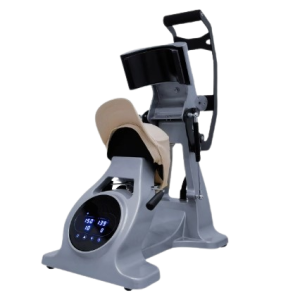
Innovations in rosin press design are making it easier to achieve consistent results. Enhanced temperature regulation, improved pressure systems, and user-friendly interfaces are all contributing to better outcomes. These advancements will further solidify the role of the rosin press in flavor-focused extraction.
Another area of growth is education. As more people learn how to use a rosin press effectively, the overall quality of extracts is likely to increase. This knowledge-sharing is helping to refine techniques and push the boundaries of what is possible.
Sustainability is also becoming a priority. The solventless nature of the rosin press makes it an environmentally friendly option, aligning with global trends toward greener practices. This adds to its appeal as a forward-thinking solution.
The versatility of the rosin press ensures that it will remain relevant as consumer preferences continue to evolve. Its ability to adapt to new demands makes it a valuable tool for the future.
In conclusion, the rosin press is set to play a central role in the ongoing quest for better flavor, driving innovation and setting new standards in the world of extracts.





Add comment