

Flavor has become the defining factor for modern concentrate enthusiasts. While potency still matters, connoisseurs increasingly prioritize aroma, taste, and the nuanced expression of terpenes. This shift has placed the rosin press at the center of solventless extraction, offering a clean and controlled method for preserving delicate terpene profiles. By understanding how a rosin press works and how to optimize its variables, extractors can significantly enhance flavor while maintaining purity.
The Science Behind Terpenes and Flavor Preservation
Terpenes are the aromatic compounds responsible for the distinctive scents and flavors found in cannabis and hemp varieties. They shape the sensory identity of each strain, contributing notes that range from citrus and pine to sweet fruit and earth. Beyond aroma, terpenes interact with cannabinoids to influence the overall experience, making their preservation essential for premium extracts. However, terpenes are highly volatile and sensitive to environmental stress. Excessive heat, oxygen exposure, and prolonged processing can rapidly degrade these delicate compounds, leading to muted flavor and diminished complexity.
A rosin press provides a solution rooted in simplicity and precision. By using only heat and pressure, a rosin press eliminates the need for chemical solvents that can strip away or alter fragile aromatic molecules. This solventless approach helps maintain the plant’s original terpene expression when handled correctly. Temperature control is especially critical, as lower heat settings reduce the risk of terpene evaporation during extraction.
Because a rosin press allows operators to carefully regulate both heat and applied pressure, it creates an environment where cannabinoids can be separated from plant material without overwhelming sensitive terpenes. The result is a concentrate that more accurately reflects the strain’s natural profile. When combined with proper starting material and thoughtful technique, a rosin press becomes a powerful tool for protecting flavor integrity. In today’s quality-driven market, understanding how a rosin press safeguards terpene preservation is fundamental to producing aromatic, high-grade solventless extracts.
How a Rosin Press Enhances Terpene Profiles
A rosin press enhances terpene profiles by giving extractors precise control over the two variables that matter most: heat and pressure. Terpenes begin to volatilize at relatively low temperatures, which means even slight overheating can reduce aroma and flavor. With a rosin press, operators can select lower temperature ranges, often between 160°F and 190°F, to gently coax resin from the plant while minimizing terpene loss. This careful balance allows cannabinoids to flow without sacrificing the delicate compounds responsible for taste.

Another advantage of a rosin press is the ability to apply pressure gradually. Sudden, excessive force can rupture plant material too quickly, releasing chlorophyll and other unwanted elements that dull flavor. By increasing pressure slowly and evenly, a rosin press promotes a cleaner extraction and a more refined aromatic profile. The result is rosin that retains the strain’s distinctive scent, whether it carries notes of citrus, gas, fruit, or spice.
Consistency is equally important. A high-quality rosin press distributes heat evenly across its plates, preventing hot spots that can scorch terpenes. Even heat application ensures that the resin flows smoothly and predictably, preserving flavor integrity from start to finish. Because each batch of flower or hash responds differently, the adjustability of a rosin press allows extractors to fine-tune their approach. When dialed in correctly, a rosin press becomes an essential tool for producing flavorful, terpene-rich concentrates that stand out in a competitive market.
The Role of Starting Material in Flavor Quality
The quality of any solventless extract begins long before the plates close. Even the most advanced rosin press cannot transform average material into exceptional concentrate. Terpene preservation starts with carefully cultivated flower or premium hash that has been harvested, handled, and stored with precision. Plants grown under optimal conditions develop richer aromatic profiles, and those compounds must be protected from excessive light, heat, and air exposure prior to extraction.
Moisture content plays a critical role in how material performs in a rosin press. Flower that is overly dry may produce lower yields and flatter flavor, while material that retains slight internal moisture often allows resin to flow more efficiently under pressure. However, too much moisture can cause instability and affect texture. Finding the right balance ensures that a rosin press can separate oils cleanly while preserving aromatic complexity.

Fresh-frozen input, commonly used for hash production, is particularly valued for terpene retention. By freezing the plant immediately after harvest, growers lock in volatile compounds at their peak expression. When this high-quality hash is placed into a rosin press, the resulting extract often showcases vibrant, strain-true aromas.
Storage after pressing is just as important as preparation beforehand. Once extracted with a rosin press, concentrates should be kept in airtight containers in cool, dark environments to prevent terpene degradation. Ultimately, pairing exceptional starting material with a carefully calibrated rosin press creates the foundation for rich flavor, strong aroma, and a truly premium solventless experience.
Temperature and Pressure Optimization
Optimizing temperature and pressure is essential for maximizing flavor during solventless extraction. A rosin press gives operators the ability to fine-tune these variables with precision, directly influencing terpene retention and overall quality. Lower temperature settings, typically in the 160°F to 185°F range, help protect volatile aromatic compounds while still allowing cannabinoids to separate from the plant material. When a rosin press is set too hot, terpenes can evaporate quickly, leading to a loss of aroma and a darker, less flavorful concentrate.

Pressure application is just as important as heat control. A rosin press should be used with gradual, even pressure rather than sudden force. Slowly increasing pressure encourages resin to flow steadily, reducing the risk of rupturing plant material and introducing unwanted flavors. This controlled approach helps maintain clarity, color, and the nuanced terpene profile that defines premium rosin.
Press time also affects the final outcome. Shorter press cycles on a rosin press often preserve brighter flavors, while extended pressing can lead to terpene degradation. Monitoring the flow of resin during extraction allows operators to adjust timing in real time for optimal results.
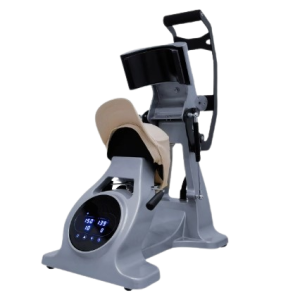
Modern rosin press models frequently include digital temperature controllers and pressure gauges, making consistency easier to achieve. These features enable repeatable performance across batches. By carefully calibrating heat, pressure, and timing with a rosin press, extractors can strike the ideal balance between yield and flavor, producing aromatic concentrates that fully reflect the character of the starting material.
Solventless Purity and Consumer Demand
Consumer preferences have shifted dramatically toward clean, transparent extraction methods, and solventless concentrates now command significant attention in competitive markets. At the center of this movement is the rosin press, a tool that reflects simplicity and purity. By relying solely on heat and pressure, a rosin press avoids the use of hydrocarbons or chemical solvents, giving consumers confidence in the integrity of the final product. This straightforward approach resonates strongly with buyers who prioritize both flavor and safety.
A rosin press also supports the growing demand for full-spectrum experiences. Because the process is gentle when properly executed, a rosin press helps preserve the plant’s natural balance of cannabinoids and terpenes. This retention of aromatic compounds translates directly into richer taste and more authentic strain expression. As experienced consumers become more discerning, flavor clarity has become a key differentiator, and products made with a rosin press often stand out for their vibrant profiles.
Brands that emphasize solventless production frequently highlight their use of a rosin press as a mark of quality craftsmanship. The transparency of the method aligns with broader wellness trends focused on minimal processing and clean-label products. In retail environments where customers seek premium options, concentrates produced with a rosin press can command higher price points due to perceived purity and flavor excellence.
As education around extraction techniques expands, more consumers recognize the value of solventless methods. The rosin press has become synonymous with authenticity, offering a production process that prioritizes terpene preservation, product transparency, and a refined sensory experience.
Innovations in Rosin Press Technology
Innovation continues to refine the capabilities of the rosin press, pushing solventless extraction to new levels of precision and consistency. Early models relied heavily on manual control, but modern rosin press systems now incorporate advanced engineering that improves heat stability, pressure accuracy, and overall efficiency. These improvements directly impact terpene preservation, allowing extractors to maintain richer aroma profiles while achieving dependable yields.
One of the most important advancements in rosin press design is enhanced temperature control. Digital controllers now regulate plate heat within very narrow margins, preventing fluctuations that could degrade volatile terpenes. Even minor temperature swings can influence flavor, so a highly responsive rosin press offers a clear advantage for quality-focused producers. Improved insulation and plate materials also contribute to even heat distribution, eliminating hot spots that once posed risks to terpene integrity.

Hydraulic and pneumatic systems have further elevated the performance of the rosin press. Precise pressure calibration allows operators to apply gradual, measured force, which supports smoother resin flow and cleaner extraction. With programmable settings available on some rosin press models, repeatability becomes easier across batches, helping maintain consistent flavor and texture.
Portability has also evolved. Compact rosin press units now provide home enthusiasts with professional-level control, while commercial-scale systems handle large volumes without sacrificing terpene preservation. As technology advances, the rosin press continues to bridge craftsmanship and innovation. By combining accurate temperature management, refined pressure systems, and durable construction, today’s rosin press technology empowers extractors to consistently produce terpene-rich, flavor-forward concentrates in an increasingly competitive marketplace.
Crafting a Flavor-First Extraction Approach
Enhancing terpene profiles requires more than equipment alone. It demands a mindset that values quality over quantity. Operators who approach extraction as a sensory craft—carefully selecting material, dialing in temperatures, and refining pressure techniques—consistently produce superior results.
A rosin press serves as the foundation of this approach. When used thoughtfully, it allows extractors to capture vibrant aromas, rich flavors, and authentic strain characteristics. As the market continues to evolve, flavor will remain a defining benchmark of excellence.
By mastering the variables of heat, pressure, and timing, and by investing in a reliable rosin press, producers can unlock the full aromatic potential of their material. In doing so, they elevate both the consumer experience and the art of solventless extraction itself.





Add comment