

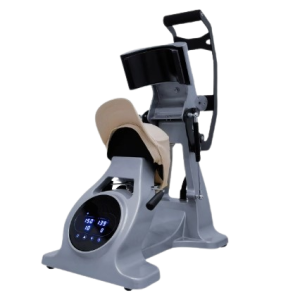
Rosin extraction has become a preferred method among flavor-focused enthusiasts who value purity, aroma, and a true representation of the plant. A high-quality rosin press offers a solventless path to capturing vibrant terpene profiles, preserving delicate compounds that define each cultivar’s unique sensory experience. When used thoughtfully, a rosin press becomes a tool for elevating flavor in ways that other extraction methods often struggle to match.
Understanding Terpenes and Their Volatility
Terpenes are the aromatic compounds responsible for the distinctive flavor and scent of cannabis, influencing everything from citrusy notes to earthy, pine-like undertones. These delicate molecules are highly volatile, meaning they can degrade or evaporate under excessive heat, pressure, or prolonged exposure to air. Because of this sensitivity, the extraction method plays a critical role in preserving a strain’s natural profile. A high-quality rosin press allows operators to carefully control both temperature and pressure, ensuring terpenes are maintained while cannabinoids are efficiently extracted. Unlike solvent-based methods, which may strip away subtle aromatics, rosin pressing captures the full spectrum of flavors without introducing chemical residues, making it a preferred method for those prioritizing taste. Understanding how terpenes react to heat and pressure helps extractors fine-tune their process, allowing each strain’s unique character to shine.

A properly calibrated rosin press can unlock complex terpene combinations that would otherwise be lost, from bright, floral notes to deep, spicy undertones. Moreover, different strains respond differently to extraction conditions, meaning operators must adjust their rosin press settings for temperature, pressure, and pressing duration to achieve optimal results. By paying attention to these variables, users can maximize flavor retention while producing a clean, potent concentrate. Ultimately, investing time and care into terpene-focused extraction using a rosin press transforms raw plant material into a flavorful, aromatic product that truly reflects the essence of the cannabis cultivar.
The Role of Low-Temperature Pressing
Low-temperature pressing is widely recognized as one of the most effective ways to preserve terpenes and maintain the full flavor profile of cannabis. Terpenes are highly sensitive compounds, and even moderate heat can cause them to degrade or evaporate, resulting in a less aromatic and flavorful concentrate. Using a rosin press at carefully controlled lower temperatures allows extractors to capture these delicate molecules while still obtaining a high-quality yield. Generally, maintaining temperatures between 160°F and 200°F strikes a balance between effective resin extraction and terpene preservation, though optimal settings can vary depending on the strain and the type of material being pressed. One of the primary advantages of a rosin press is the ability to precisely adjust temperature, which is critical for capturing subtle floral, citrus, or earthy notes without overcooking the extract. Lower-temperature pressing may require slightly more time and finesse, but the resulting rosin retains a more complex and true-to-strain aroma.

This technique is especially important for terpene-rich strains, where preserving even the most volatile compounds can dramatically impact the final sensory experience. By using a rosin press to implement low-temperature extraction, operators can produce concentrates that not only maintain potency but also highlight the unique aromatic qualities that define each cultivar. In essence, low-temperature pressing with a rosin press transforms cannabis extraction into a craft focused on flavor, allowing connoisseurs to enjoy the full bouquet and nuanced character of the plant.
Pressure Control for Optimal Flavor

When it comes to preserving terpene profiles during extraction, pressure is just as important as temperature. Excessive pressure can force plant material into the final extract, creating a darker, less flavorful rosin that may carry unwanted plant matter. A skilled operator using a rosin press understands that careful, gradual application of pressure allows the resin to flow naturally from the trichome heads while protecting delicate aromatic compounds. By slowly increasing pressure rather than applying maximum force immediately, a rosin press can yield a clean, vibrant concentrate that highlights the strain’s full flavor spectrum. Different types of starting material, from flower to hash or kief, respond uniquely to pressure adjustments, and fine-tuning this variable is essential for producing terpene-rich rosin. Some operators even employ multiple, staged presses, gently increasing pressure with each pass to maximize yield without compromising taste.
A rosin press with precise, adjustable pressure settings gives extractors the flexibility to experiment and discover the optimal balance between efficiency and flavor. Over-pressing can not only reduce terpene content but also alter the texture of the rosin, making it sticky or overly dense. By mastering pressure control on a rosin press, producers can ensure that their concentrates retain the aromatic complexity and sensory character that makes each strain unique. In short, careful pressure management transforms rosin pressing from a simple extraction method into a refined craft focused on producing flavorful, high-quality concentrates.
Selecting the Right Material for Terpene-Rich Rosin
The quality of your starting material plays a critical role in determining the flavor and aroma of the final concentrate. Using premium flower, fresh-frozen cannabis, or high-grade hash and sift ensures that the resulting rosin captures the full spectrum of terpenes and cannabinoids. A skilled operator knows that even the best rosin press cannot compensate for low-quality or improperly cured material, making selection an essential first step in the extraction process. Different materials respond differently to heat and pressure, so understanding their characteristics is key to maximizing terpene retention. Fresh-frozen flower, for example, often yields a more vibrant aroma due to the preservation of volatile terpenes, while properly cured buds may produce a smoother, more consistent texture when pressed. A rosin press allows extractors to adjust temperature, pressure, and pressing duration to suit each type of input, unlocking the full aromatic potential of the material.
High-quality starting material combined with careful technique produces rosin that is not only potent but also rich in flavor, highlighting subtle notes that might otherwise be lost. Additionally, experimenting with different material forms, such as hash or bubble hash, can provide unique terpene-forward profiles that cater to specific flavor preferences. Ultimately, the choice of starting material, when paired with a reliable rosin press, transforms the extraction process into a precise art form. By carefully selecting and preparing material, extractors ensure that every batch of rosin delivers a true representation of the strain’s natural character and sensory complexity.

Ultimately, rosin pressing for flavor is an art form rooted in precision, patience, and an appreciation for the plant’s natural chemistry. When the process is guided by care—and executed with a reliable rosin press—the resulting extract delivers a sensory experience that honors the strain’s true identity.





Add comment