

Rosin pressing has gained significant popularity in the medical marijuana community due to its solvent-free process and the high-quality concentrates it produces. Medical marijuana patients often seek effective, safe, and pure forms of cannabis to alleviate their symptoms, and rosin pressing offers an ideal solution. This guide will cover everything you need to know about using a rosin press to produce medical marijuana extracts, from understanding the basics to tips on maximizing yield and potency.
What is a Rosin Press?
A rosin press is a specialized machine designed for extracting rosin, a potent cannabis concentrate, through a process that involves heat and pressure. Unlike traditional extraction methods that utilize solvents like butane or ethanol, a rosin press operates solely on natural elements, ensuring a cleaner and safer product. This is particularly important for medical marijuana patients who prioritize purity in their cannabis consumption.

When using a rosin press, you start by placing cannabis flower or hash between two sheets of parchment paper. The rosin press then applies heat, usually between 160°F and 220°F, and pressure, causing the resinous oils within the plant material to ooze out. The result is a sticky, aromatic concentrate that retains a high level of terpenes and cannabinoids, providing a full-spectrum experience that can significantly enhance therapeutic effects.
One of the main advantages of using a rosin press is that it produces a concentrate free from residual solvents, making it an ideal choice for individuals with chemical sensitivities or compromised immune systems. The high-quality extracts generated by a rosin press are favored by patients seeking immediate relief from various medical conditions. Additionally, the ease of use and relatively low startup costs make rosin presses accessible for home users and commercial operations alike. By utilizing a rosin press, you can achieve remarkable potency and flavor in your concentrates while ensuring a safe and effective method of consumption.
Why Use a Rosin Press for Medical Marijuana?

Using a rosin press for medical marijuana offers numerous advantages, particularly for patients seeking pure and potent cannabis extracts. One of the most significant benefits of a rosin press is that it employs a solvent-free method for extraction. This is crucial for medical marijuana patients, as many individuals are sensitive to residual solvents or chemicals often found in other extraction methods. By utilizing only heat and pressure, a rosin press produces a clean product that retains the natural integrity of the cannabis.
Moreover, a rosin press helps to preserve the terpenes and cannabinoids present in the starting material. Terpenes play a vital role in the therapeutic effects of cannabis, and their retention enhances both the flavor and the medicinal properties of the extract. For patients, this means they can experience the full spectrum of benefits that medical marijuana has to offer, maximizing relief from symptoms.
Another important factor is the potency of the concentrates produced by a rosin press. The high pressure applied during the extraction process ensures that patients receive a strong and effective product, allowing for quick relief from various conditions. Whether managing chronic pain, anxiety, or nausea, patients can rely on the consistent quality that a rosin press provides.
In summary, using a rosin press for medical marijuana offers a clean, efficient, and effective method for producing high-quality concentrates. Its solvent-free nature and ability to preserve essential compounds make it an ideal choice for those seeking natural relief.
Types of Rosin Presses: Manual vs. Hydraulic vs. Pneumatic
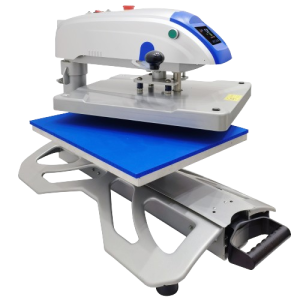
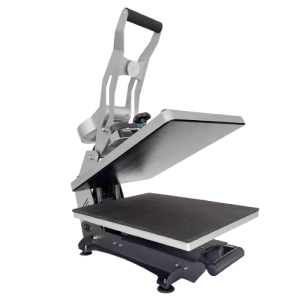
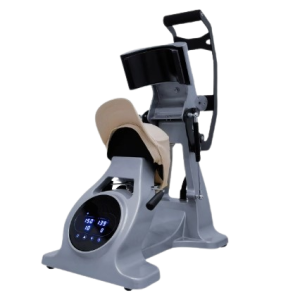
When it comes to choosing a rosin press, understanding the different types available is crucial for optimizing your extraction process. There are three main types of rosin presses: manual, hydraulic, and pneumatic, each catering to various needs and preferences.

Manual rosin presses are the most straightforward option and are ideal for beginners or those on a budget. These presses rely on the user’s physical strength to apply pressure, making them easy to operate without requiring extensive technical knowledge. While they are cost-effective, manual rosin presses may not achieve the same pressure levels as hydraulic or pneumatic options, potentially limiting yield.
Hydraulic rosin presses use a hydraulic system to generate significant pressure, making them more efficient for those who want to extract larger quantities of rosin. This type of rosin press allows for better control over the pressing process, enabling users to fine-tune both pressure and temperature settings for optimal extraction. Hydraulic presses are often favored by home growers and small-scale producers.
Pneumatic rosin presses are the most advanced option, utilizing compressed air to generate consistent and adjustable pressure. This type of rosin press is ideal for experienced users who want precise control over the extraction process. While more expensive, pneumatic presses can yield the highest quality and quantity of rosin, making them suitable for commercial operations or dedicated home users.
Ultimately, the choice of rosin press depends on your extraction goals, budget, and level of experience, ensuring you achieve the best results for your medical marijuana needs.
The Rosin Press Process: Step-by-Step
Using a rosin press to extract concentrates can be a rewarding experience, especially for medical marijuana patients seeking pure, high-quality products. The process begins with selecting your material. Choose high-quality cannabis flower or hash, as the potency and flavor of the final rosin depend on the quality of your starting material. Look for buds that are fresh, sticky, and covered in trichomes to maximize your yield.
Next, prepare your rosin press by setting it to the appropriate temperature, usually between 160°F and 220°F. Lower temperatures tend to preserve terpenes, while higher settings can increase the yield. Once your rosin press is heated, place the cannabis material between two sheets of parchment paper. This step is crucial, as the parchment will help collect the rosin and prevent it from sticking to the plates of the press.

After everything is in place, gradually apply pressure using your rosin press. You’ll see the rosin start to ooze out of the cannabis as you apply heat and pressure. It’s essential to maintain even pressure to extract the maximum amount of rosin without overheating the material. Keep pressing until you see a significant reduction in the cannabis volume.
Once you’ve extracted as much as possible, carefully remove the parchment paper. Use a dab tool to collect your freshly pressed rosin. This process not only provides a potent concentrate but also ensures that you’re using a clean, solvent-free method, making it ideal for medical marijuana patients.
Maximizing Yield and Potency with a Rosin Press
To maximize the yield and potency of your rosin using a rosin press, several essential techniques can enhance your results. First and foremost, selecting the right starting material is crucial. Opt for high-quality cannabis flower or hash, as the potency and trichome density significantly influence the amount of rosin extracted. Freshly harvested or well-cured cannabis typically yields better results.
Next, pay attention to the temperature settings on your rosin press. Finding the ideal temperature range, usually between 160°F and 220°F, can greatly impact your yield. Lower temperatures preserve more terpenes, resulting in a flavorful and aromatic product, while slightly higher temperatures can maximize the amount of rosin extracted. Experimentation is key; testing different temperatures will help you discover the sweet spot for your specific strain.

Pressure application is another vital factor. Gradually increase pressure using your rosin press, as this allows for a more thorough extraction without damaging the material. Pressing for the right duration is also essential. Monitor the process closely to avoid over-pressing, which can lead to burnt or degraded rosin.
Lastly, keep track of your results and make adjustments based on your findings. Each strain may respond differently to the same settings, so noting your experiences will improve your technique over time. By using these strategies with your rosin press, you can achieve higher yields and potent rosin concentrates that cater to your medical needs.
Storing Rosin for Medical Use
Proper storage of your rosin is crucial for maintaining its potency and flavor, especially for medical marijuana patients who rely on the efficacy of their extracts. The ideal storage conditions for rosin involve using airtight, lightproof containers that prevent exposure to air and light. Glass jars or silicone containers are excellent choices for storing your rosin, as they protect against degradation while preserving the essential cannabinoids and terpenes.
Temperature is another critical factor in storing rosin. Keeping your rosin press extracts in a cool, dark place is essential, as heat can cause the compounds to break down over time. For extended storage, consider refrigerating or even freezing your rosin, as this can significantly extend its shelf life. Just be sure to let it reach room temperature before using it, as condensation can affect its quality.
Moreover, ensure that your rosin is completely cooled before sealing it in a container. This helps to prevent moisture buildup inside the jar, which can lead to mold growth or degradation of the product. If you plan to store larger quantities, it’s beneficial to portion the rosin into smaller containers to minimize exposure every time you open a jar.

Overall, with careful storage practices, you can maintain the potency and quality of your rosin for medical use, ensuring that each extraction made with your rosin press remains effective and flavorful for your therapeutic needs
Legal and Safety Considerations
When it comes to rosin pressing, understanding the legal and safety implications is crucial for anyone involved in medical marijuana. Using a rosin press offers a solvent-free extraction method, making it a safer alternative compared to other extraction techniques. However, users must be aware of local regulations surrounding cannabis cultivation and consumption. Each state or country has its own laws regarding the legality of growing marijuana for medical use, and it’s essential to ensure that you are compliant with these regulations.
Before using a rosin press, verify that you are legally permitted to possess the cannabis material you plan to process. It is also vital to purchase a rosin press from a reputable manufacturer to ensure safety and efficiency. High-quality machines will have built-in safety features that minimize risks during operation.
While rosin pressing is generally safer than solvent-based methods, proper handling of both the equipment and the extracted rosin is necessary. Be cautious when operating the press, as the combination of heat and pressure can pose a risk if not managed correctly. Additionally, store your rosin in an airtight container, away from heat and light, to maintain its potency and safety.

By staying informed about legal regulations and adhering to safety practices, you can enjoy the benefits of using a rosin press without compromising your legal standing or personal safety. This knowledge not only enhances your rosin pressing experience but also ensures that you are using medical marijuana responsibly and effectively.
Conclusion
Rosin pressing offers medical marijuana patients a clean, solvent-free way to create highly potent concentrates that are both safe and effective. With the right rosin press and some practice, you can produce medical-grade extracts at home, tailored to your specific needs. Whether you’re new to medical marijuana or an experienced patient, rosin pressing is an excellent option for those seeking natural relief from their symptoms.



Add comment