

As the medical cannabis industry continues to grow, patients are increasingly seeking effective methods to extract the beneficial compounds from cannabis. One of the most promising and popular methods is rosin pressing. This technique allows patients to extract cannabinoids like THC and CBD, along with terpenes, without the need for harmful solvents. By using a rosin press, patients can obtain high-quality concentrates that are both safe and potent, making it a game-changer in medical cannabis treatment.
What is Rosin Pressing?
Rosin pressing is a solventless extraction method that uses heat and pressure to extract essential cannabinoids and terpenes from cannabis flowers, hash, or kief. This method has gained popularity for its simplicity, safety, and efficiency, especially in the medical cannabis community. Unlike other extraction methods that require potentially harmful chemicals or solvents, rosin pressing relies solely on the natural properties of the cannabis plant, making it a cleaner and more natural option for patients.

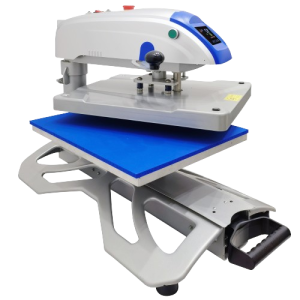
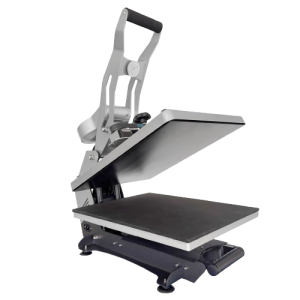
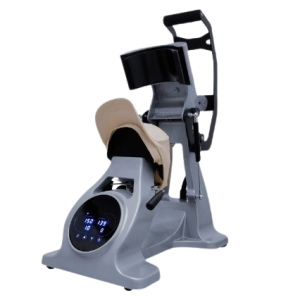
A rosin press consists of two heated plates that apply controlled pressure to cannabis material, such as flowers or hash. As heat is applied, the trichomes—tiny resin glands that hold cannabinoids and terpenes—are gently pressed out, releasing a concentrated oil. This process is fast, easy to use, and offers a high-quality product that retains the full spectrum of cannabinoids, including THC and CBD, as well as the aromatic terpenes that contribute to the cannabis experience.
The main appeal of using a rosin press is its solventless nature, which means the final product is free from potentially harmful chemical residues. This makes rosin extraction an ideal choice for medical patients who are sensitive to chemicals or who want a natural alternative to traditional cannabis concentrates. Moreover, because the rosin press allows for customization of heat and pressure, patients can fine-tune the extraction process to achieve the potency and consistency they need for effective treatment.
Benefits of Rosin Pressing for Medical Use
The use of a rosin press for extracting cannabinoids and terpenes provides numerous advantages for medical cannabis patients. One of the primary benefits of this method is the purity of the final product. Unlike other extraction techniques that use solvents, rosin pressing is entirely solvent-free, which means no harmful chemical residues are left in the concentrate. This is crucial for medical patients who may be sensitive to solvents or who prioritize using natural, chemical-free products for their treatment.
In addition to purity, rosin press extractions retain the full spectrum of cannabinoids and terpenes found in the cannabis plant. This is significant because the entourage effect—where cannabinoids and terpenes work together synergistically—enhances the therapeutic potential of the concentrate. For medical users, this means better efficacy in treating conditions such as chronic pain, anxiety, or insomnia, as the whole plant’s medicinal properties are preserved in the concentrate.

Another key benefit of using a rosin press for medical extraction is consistency. Since the process involves applying controlled heat and pressure, the resulting concentrates can be tailored for specific potencies and effects. Patients can adjust the temperature and pressure settings to create concentrates with varying levels of THC, CBD, or other cannabinoids. This level of control ensures that medical patients can achieve reliable dosages, making it easier to manage their symptoms and improve treatment outcomes.
Overall, rosin pressing is a safe, effective, and customizable method of cannabis extraction that is ideal for medical use.
How a Rosin Press Works for Extraction
A rosin press operates through a combination of heat and pressure to extract cannabinoids and terpenes from cannabis material, such as flowers, hash, or kief. The process is simple but highly effective, making it an ideal method for both personal and medical use. The key to its success lies in the controlled application of heat and pressure, which causes the resin to separate from the plant material without the need for any solvents.
To begin the extraction, cannabis material is placed between two heated plates in the rosin press. These plates are typically made of metal and are designed to heat up evenly, ensuring that the temperature is consistent throughout the process. The user then applies pressure, usually ranging from 500 to 2000 pounds, depending on the model of the rosin press. The pressure forces the plant’s trichomes—where the cannabinoids and terpenes are stored—to release their oils, which are collected as a sticky resin.

The heat from the plates plays an essential role in this process. While too much heat can degrade the cannabinoids and terpenes, the right amount ensures that the oil is extracted efficiently without compromising its quality. One of the key advantages of using a rosin press is the ability to customize both the heat and pressure settings, allowing users to control the final consistency and potency of the concentrate. This customization is especially beneficial for medical patients who require specific doses for effective treatment.
Rosin Pressing for Specific Medical Conditions
Using a rosin press for cannabis extraction can provide tailored solutions for patients dealing with a variety of medical conditions. The ability to adjust the temperature and pressure during extraction allows for precise customization of the concentrate’s cannabinoid and terpene profile, making it an ideal method for individuals seeking relief from specific ailments.

For patients suffering from chronic pain, a rosin press can be used to create concentrates high in THC, the primary cannabinoid responsible for pain relief. THC-rich rosin concentrates are known for their potent analgesic effects and can provide long-lasting relief for those dealing with conditions like arthritis, fibromyalgia, or multiple sclerosis. The concentrated nature of rosin extracts allows patients to use smaller amounts for powerful, targeted treatment.
In contrast, patients with anxiety or stress-related disorders may benefit from rosin concentrates that are high in CBD, a non-psychoactive cannabinoid known for its calming and anti-anxiety properties. A rosin press can be used to extract CBD-rich concentrates that are effective for managing symptoms of anxiety, panic attacks, or general stress, without the psychoactive effects associated with THC.
For those dealing with sleep disorders or insomnia, the rosin press can help create concentrates that combine both THC and terpenes like myrcene, which has sedative properties. This customized rosin extract can support better sleep quality, providing a natural and effective alternative to pharmaceutical sleep aids.
Overall, a rosin press provides the flexibility needed to address a wide range of medical conditions, offering patients a more personalized approach to treatment.
Conclusion: The Future of Rosin Pressing in Medical Cannabis
The rosin press has proven to be a valuable tool in the medical cannabis community, offering patients a safe, effective, and customizable way to extract the therapeutic benefits of cannabis. Whether used to manage chronic pain, anxiety, or sleep disorders, the versatility and purity of rosin concentrates make them an ideal choice for many patients seeking natural treatments.
As more patients turn to cannabis for medicinal purposes, the demand for solventless, high-quality concentrates like rosin will continue to rise. With its ability to preserve the full spectrum of cannabinoids and terpenes, the rosin press is shaping the future of cannabis extraction, offering a reliable and consistent method for patients who need precision and potency in their medical treatment.



Add comment