

For recreational cannabis users who enjoy experimenting with concentrates, rosin pressing offers a simple, efficient, and solvent-free way to extract the potent compounds from flower or hash. With the increasing popularity of rosin as a preferred concentrate, it’s no wonder that many enthusiasts are eager to try rosin pressing at home. Whether you’re a seasoned user or a novice, this guide will walk you through the essential tips and techniques for using a rosin press, helping you create high-quality concentrates right in the comfort of your own space.
Understanding Rosin Pressing
Rosin pressing has rapidly become one of the most popular methods for creating cannabis concentrates at home, especially for recreational users who value purity and simplicity. Unlike other extraction methods that rely on solvents or expensive lab equipment, the rosin press offers a clean, efficient, and accessible way to extract resin from cannabis flower or hash using only heat and pressure. This solventless technique appeals to users looking for a safer and more natural product without sacrificing potency or flavor.
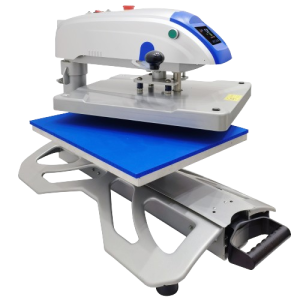
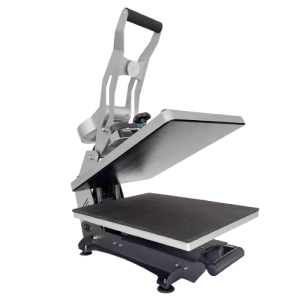
A rosin press works by applying controlled pressure and heat to cannabis material placed between two heated plates, typically using parchment paper or a mesh bag to contain the product. As pressure is applied, the heat causes the trichomes to melt and release their essential oils, which are then collected as rosin. The result is a sticky, golden concentrate that can be consumed in various ways, from dabbing to vaping or adding to joints.

The appeal of the rosin press lies in its simplicity and effectiveness. There’s no need for complex chemistry or dangerous solvents—just the mechanical force of the press and a basic understanding of temperature and timing. This makes it an ideal tool for recreational users who want to explore concentrate production without the risks associated with other extraction methods.
Whether you’re working with high-quality flower or bubble hash, a good rosin press can deliver excellent yields and flavor profiles. It’s a user-friendly, low-risk way to dive into the world of concentrates from the comfort of your own home.
Selecting the Right Rosin Press for Your Needs
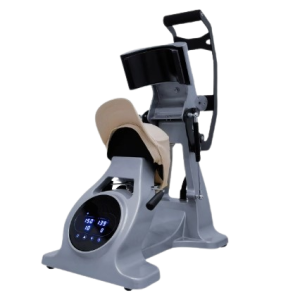
When it comes to rosin pressing, choosing the right rosin press is crucial to getting high-quality results. The market offers a variety of presses, each designed to meet different needs. For recreational users, compact and user-friendly models often provide a balance between ease of use and functionality. The most important factors to consider when selecting a rosin press include:

Pressing Capacity: The size of the press should align with the amount of material you plan to process. Smaller presses may be sufficient for personal use, while larger models can handle more material at once.
Heat Plate Size: The size of the heat plates determines the amount of cannabis you can press at one time. Larger plates are ideal for bigger batches, while smaller plates are more suited for individual sessions.
Temperature Control: Precise temperature control is essential for extracting the most potent and flavorful rosin. Ideally, look for a press that offers adjustable temperature settings to experiment with different temperatures based on the material you’re pressing.
Pressure Mechanism: Hydraulic presses are the most common and tend to be more affordable and widely used by recreational users. However, pneumatic presses offer greater control over pressure and are typically found in more professional setups.
Preparing for Rosin Pressing
Proper preparation is essential for achieving the best results with your rosin press. The quality of your material and how well you prepare it can significantly affect both the yield and the flavor of your final concentrate. Before you begin the pressing process, take the time to properly prepare your cannabis flower or hash for optimal extraction.
Start by selecting high-quality cannabis material. Whether you’re using flower or hash, make sure it is well-cured, dry, and free of any excess moisture. Moisture can interfere with the pressing process, leading to lower yields and less flavorful rosin. If you’re using flower, grind it to a coarse consistency. Avoid grinding it too finely, as this could lead to a lower-quality concentrate and cause clogging in the rosin bag or parchment paper.

Next, place the material into a rosin bag or wrap it in parchment paper. The rosin bag serves as a filter, allowing the rosin to flow through while trapping any plant matter. This step helps ensure you’re left with a clean and pure concentrate. Make sure the material is evenly distributed in the bag or paper to maximize the yield from your rosin press.
Once your material is properly prepped, ensure that your rosin press is set to the desired temperature. As mentioned earlier, different temperatures will yield different results. Lower temperatures preserve more terpenes, resulting in a flavorful concentrate, while higher temperatures typically provide higher yields but may lose some of the aromatic qualities. With everything set up, you’re ready to begin the pressing process and extract high-quality rosin.
Temperature and Pressure Settings
The temperature and pressure settings on your rosin press are essential for achieving the best possible yield and quality of your concentrate. Adjusting these settings appropriately allows you to customize the rosin pressing process based on the material you’re using. Finding the right balance between temperature and pressure is key to unlocking the full potential of your rosin press.

Temperature plays a crucial role in determining the final product. For most cannabis flower, a temperature range of 160°F to 220°F works best. Lower temperatures (around 160°F to 190°F) tend to preserve more terpenes, which are responsible for the aroma and flavor of the rosin. This results in a more flavorful concentrate, but the yield may be lower. If you’re looking for a higher yield and don’t mind sacrificing a bit of flavor, slightly higher temperatures (200°F to 220°F) can be used, as they tend to release more cannabinoids from the material.
Pressure is just as important as temperature when using a rosin press. It’s essential to apply even, consistent pressure to extract the maximum amount of rosin without over-compressing the material. Start with moderate pressure and gradually increase it. Applying too much pressure too quickly can result in a less desirable final product, while too little pressure will reduce your yield. Most users recommend a steady, controlled application of pressure for the best results.
Experimenting with different combinations of temperature and pressure will help you fine-tune the process on your rosin press, allowing you to optimize both flavor and yield.
Pressing Techniques for Optimal Yield
When using a rosin press, mastering the right technique is crucial to achieving a high-quality concentrate with an optimal yield. Pressing isn’t just about cranking up the pressure and heat; it’s about timing, consistency, and technique. By following a few key steps, you can maximize the efficiency of your rosin press and create a top-tier product.
Start by preparing your material properly. Whether you’re using flower or hash, ensure that it is evenly distributed in your rosin bag or parchment paper. The more evenly your material is spread, the more uniform the pressure application will be, resulting in a more even and higher yield. Avoid over-packing, as it can hinder the flow of rosin and reduce the quality of the extraction.

Once you’ve placed the material in the press, gently apply pressure. Avoid rushing the process—gradual, steady pressure works best. A common mistake is applying too much pressure too quickly, which can cause the material to over-compress and result in a lower-quality concentrate. Instead, start with light pressure and slowly increase it until you reach the desired level. A slow approach also ensures that the rosin flows more freely, improving both the yield and flavor of your concentrate.
The pressing time will vary depending on the temperature and material type. At lower temperatures, you may need to press for up to 90 seconds, while higher temperatures may require just 30–60 seconds. Monitor your rosin press closely and adjust the timing to find what works best for your material.
By refining your technique, you can get the most out of your rosin press and produce high-quality concentrates every time.
Storing and Using Your Rosin

Proper storage and use of your rosin are essential to maintaining its quality and potency over time. After extracting rosin with your rosin press, it’s important to handle and store it in a way that preserves its flavor, aroma, and strength. The right storage methods ensure that you can enjoy the full benefits of your rosin months after pressing it.
To store your rosin, use an airtight container made of glass or silicone. Avoid plastic containers, as they can introduce unwanted chemicals and negatively affect the flavor of the rosin. Additionally, keep your rosin in a cool, dark place, away from direct sunlight or heat. Heat and light can degrade cannabinoids and terpenes, diminishing the quality of your concentrate. If you want to extend the shelf life of your rosin, refrigeration can also be an option, but make sure it’s sealed tightly to prevent moisture or contamination.
When it comes to using your rosin, there are various methods depending on your personal preference. Dabbing is the most popular choice for those looking for an intense, flavorful experience. Simply heat a dab rig or e-nail, apply a small amount of rosin, and inhale the vapor for a quick and potent hit. Alternatively, rosin can be added to joints or bowls for a flavorful boost to your smoking experience. For those who prefer a smoother method, vaping rosin is a great option, delivering a clean and consistent hit.
By storing your rosin correctly and using it in the method you enjoy most, your rosin press results will provide a satisfying experience every time.
Conclusion
Rosin pressing is an excellent choice for recreational users who want to create their own high-quality concentrates at home. By understanding the basics of rosin press operation, selecting the right equipment, and experimenting with temperature and pressure settings, you can produce potent, flavorful rosin without the use of solvents. Whether you are new to rosin pressing or an experienced user, following these tips and techniques will help you achieve the best results and enhance your overall cannabis experience.



Add comment