

In recent years, the demand for sustainable and eco-friendly extraction techniques has surged, especially within the cannabis and hemp industries. Among these methods, rosin pressing has emerged as a leading contender for those seeking clean, solvent-free concentrates. This article explores the benefits of rosin pressing as an environmentally responsible extraction technique and how it contributes to a greener future.
Understanding Rosin Pressing
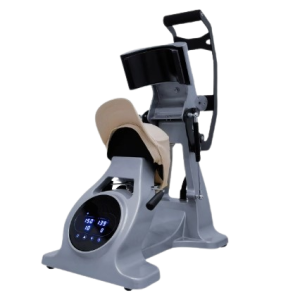
Rosin pressing is quikly becoming one of the most popular and eco-friendly extraction methods in the cannabis and hemp industries. At its core, a rosin press uses heat and pressure to extract resin from plant material without relying on solvents or chemicals. This means that instead of using potentially hazardous substances like butane or alcohol, a rosin press relies purely on mechanical force to separate valuable cannabinoids and terpenes from flowers or hash. The result is a clean, solvent-free concentrate that appeals to both consumers and producers who prioritize purity and sustainability.

The simplicity of the rosin press process is a major reason why it’s gaining traction. By avoiding chemical solvents, the rosin press significantly reduces the risk of toxic residues contaminating the final product or the environment. Additionally, the equipment needed for rosin pressing is generally more compact and energy-efficient compared to traditional extraction machines, making it accessible to small-scale growers and craft producers.
Another advantage of using a rosin press is the preservation of terpene profiles. The controlled application of heat ensures that these delicate compounds, which contribute to flavor and aroma, remain intact. This enhances the quality and appeal of the concentrate without compromising its safety or environmental impact.
In summary, the rosin press offers a solvent-free, eco-conscious, and efficient method for extracting cannabis concentrates. Its growing popularity reflects a broader shift toward sustainable practices in the industry, making the rosin press a key player in the future of clean extraction.
Environmental Advantages of Rosin Pressing
One of the most compelling reasons the rosin press is celebrated in sustainable extraction circles is its low environmental impact. Unlike traditional extraction methods that use harmful solvents, the rosin press operates without chemicals, eliminating the risk of releasing toxic substances into the air, soil, or water. This solvent-free nature makes the rosin press a much cleaner and safer option for both producers and the environment.

Energy efficiency is another key advantage of the rosin press. Because it uses only heat and pressure, the amount of electricity required is far less than what is needed for more complex extraction systems involving refrigeration or vacuum pumps. This reduced energy consumption translates directly to a smaller carbon footprint, helping companies meet sustainability goals while saving on operational costs.
Waste reduction also plays a significant role in the eco-friendly profile of the rosin press. After extraction, the leftover plant material, often called “press cake,” can be repurposed rather than discarded. This material can serve as compost or feedstock for other agricultural uses, promoting a circular economy and reducing landfill waste. Using a rosin press encourages this zero-waste mindset, which is essential for environmentally responsible production.
In essence, the rosin press supports sustainability by combining a solvent-free process, lower energy needs, and waste minimization. These factors make the rosin press an ideal choice for businesses and consumers who prioritize eco-conscious practices in the rapidly evolving cannabis and hemp markets.
Quality and Purity in Rosin Extraction
One of the most attractive features of using a rosin press is the exceptional quality and purity of the final concentrate. Because the rosin press operates without solvents, it produces a product free from chemical residues that are often found in concentrates extracted using butane or alcohol. This ensures that consumers receive a cleaner, safer product that is ideal for both recreational and medicinal use.
The rosin press applies gentle heat and pressure, which helps preserve the delicate cannabinoids and terpenes naturally found in the plant. Terpenes are responsible for the aroma, flavor, and overall sensory experience of the concentrate. Because the rosin press avoids harsh chemicals and extreme temperatures, it maintains these compounds better than many traditional extraction methods. This results in a concentrate with a more authentic and rich flavor profile, which is highly valued by connoisseurs.

Another benefit of the rosin press is the consistency it provides. Modern rosin presses allow precise control over temperature and pressure, ensuring that each batch of concentrate meets high standards of purity and potency. This control also helps reduce the risk of degrading the cannabinoids or damaging the product, which can happen with less refined extraction techniques.
In summary, the rosin press offers an eco-friendly way to create high-quality, pure cannabis concentrates. By preserving the natural qualities of the plant while eliminating solvents, the rosin press produces products that are both safer for consumers and better for the environment.
Economic and Practical Benefits
The rosin press offers significant economic and practical advantages that contribute to its growing popularity, especially among small-scale producers and artisans. Compared to traditional solvent-based extraction equipment, a rosin press is generally more affordable and easier to operate. This lower barrier to entry allows cultivators of various sizes to produce high-quality concentrates without massive upfront investments, making the rosin press a practical choice for sustainable businesses.
In addition to cost savings on equipment, the rosin press requires less maintenance and fewer consumables than solvent extraction systems. Since the process uses only heat and pressure, there are no solvents to purchase, store, or dispose of safely. This reduces ongoing operational expenses and environmental compliance costs, making the rosin press both budget-friendly and eco-conscious.
The portability and compact size of many rosin presses also add to their appeal. Smaller, more efficient machines allow producers to extract concentrates in various settings without the need for large industrial spaces. This flexibility is ideal for craft producers who prioritize quality and sustainability over high-volume output.

Moreover, the rosin press process is relatively quick and straightforward, which means producers can experiment with different strains and pressing techniques easily. This efficiency helps save time and energy, reducing the overall environmental footprint of the extraction process.
In conclusion, the rosin press combines affordability, ease of use, and operational efficiency, making it an economically viable and sustainable solution for producing clean cannabis concentrates. Its practical benefits support sustainable production without sacrificing quality or environmental responsibility.
Future Outlook: Rosin Pressing as a Standard
The future of cannabis and hemp extraction is increasingly leaning towards sustainable and eco-friendly methods, and the rosin press is at the forefront of this shift. As more consumers and regulators demand cleaner, greener products, the rosin press is positioned to become a standard extraction method across the industry. Its solvent-free nature aligns perfectly with the growing emphasis on health, safety, and environmental responsibility.
Technological advancements continue to improve the efficiency and scalability of the rosin press. Newer models offer enhanced temperature and pressure controls, allowing producers to fine-tune their extraction process for maximum yield and quality. These innovations make the rosin press more accessible to both small artisans and larger commercial operations, supporting a broad adoption of this eco-friendly technology.

As regulations tighten around solvent use and environmental impact, the rosin press offers a practical solution that meets stricter standards without compromising product quality. The press’s ability to generate pure, solvent-free concentrates with minimal waste positions it as a leader in sustainable extraction methods.
Consumer awareness is also driving demand for products made with environmentally responsible techniques. The rosin press fits well into this narrative, offering transparency and peace of mind for buyers who want clean, natural concentrates. This increasing preference will likely accelerate the adoption of rosin pressing throughout the cannabis and hemp markets.
In summary, the rosin press represents the future of sustainable extraction. With continuous innovation and growing demand for eco-conscious products, the rosin press is set to become a cornerstone in clean, efficient, and environmentally responsible cannabis concentrate production.
Conclusion
Rosin pressing exemplifies how eco-friendly extraction methods can benefit both the environment and the end consumer. By eliminating the use of harmful solvents and reducing energy consumption, the rosin press offers a sustainable alternative that aligns with the values of a greener future. As awareness of environmental impact grows, rosin pressing is set to become a cornerstone in the movement towards sustainable cannabis and hemp extraction. Embracing this technology not only supports the planet but also delivers a pure, high-quality product that meets the demands of today’s conscientious consumers.





Add comment