

Rosin pressing has become a popular method for extracting high-quality cannabis concentrates without the need for solvents. With a rosin press, cannabis enthusiasts can produce pure and potent rosin, a substance that captures the full essence of the plant. This guide explores the best rosin pressing techniques for different cannabis strains, ensuring you achieve optimal results every time.
Understanding Rosin Pressing
Rosin pressing is an increasingly popular method for extracting cannabis concentrates without the use of solvents. This technique involves using a rosin press, which applies heat and pressure to cannabis flowers or hash to extract resinous sap. The rosin press method is celebrated for its simplicity and safety, as well as for producing a clean, natural extract. The absence of solvents makes rosin a healthier alternative for those who are conscious about what they consume. Additionally, the purity of the rosin captures the full spectrum of cannabinoids and terpenes, offering a robust flavor and potent effect.

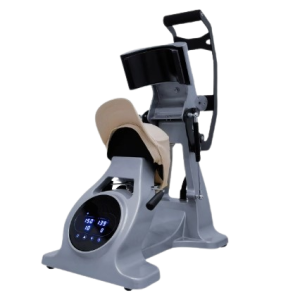
A rosin press typically consists of two heated plates that are pressed together to squeeze the resin from the cannabis material. The key to successful rosin pressing lies in finding the right balance of heat and pressure, which can vary depending on the specific cannabis strain and desired outcome. Lower temperatures tend to preserve more terpenes, resulting in a more flavorful rosin, while higher temperatures can increase yield but may compromise the flavor and potency.
Understanding the basics of rosin pressing is crucial for anyone looking to produce high-quality rosin at home. It’s important to start with high-quality cannabis, as the quality of the starting material directly impacts the quality of the rosin. Proper preparation, such as ensuring the cannabis is adequately cured and has the right moisture content, can significantly enhance the efficiency of the rosin press. By mastering the fundamentals of rosin pressing, you can enjoy the benefits of a pure, potent, and flavorful cannabis concentrate.
Choosing the Right Strains
The effectiveness of your rosin pressing can vary significantly depending on the cannabis strain you use. Strains with high resin content tend to yield more rosin and better quality. Indica-dominant strains often produce more resin than Sativa-dominant strains, making them a popular choice for rosin extraction. However, the specific characteristics of each strain, such as trichome density and resin consistency, also play crucial roles.
Pressing Indica Strains
Indica strains are known for their dense, resinous buds, making them excellent candidates for a rosin press. When working with Indica strains, it’s crucial to use the right combination of heat and pressure to optimize rosin yield and quality. Typically, pressing at lower temperatures, between 180-220°F, helps preserve the delicate terpenes and cannabinoids that give Indica strains their unique flavors and effects. This temperature range is ideal for maintaining the integrity of the resin while ensuring a smooth extraction process.
The duration of the press is equally important. For Indica strains, a pressing time of 90-120 seconds is recommended. This longer duration allows the heat to penetrate the buds thoroughly, facilitating the release of resin without burning it. Applying consistent pressure throughout the pressing process is vital. Too much pressure can cause plant material to mix with the rosin, while too little pressure might not fully extract the resin.

Using a high-quality rosin press with precise temperature and pressure controls can significantly enhance your results. It’s also beneficial to start with small batches and gradually adjust your settings based on the rosin yield and quality. Each Indica strain may respond differently, so some experimentation is necessary to find the optimal pressing conditions.
Furthermore, ensuring that your starting material is properly cured and has a moisture content around 60% can improve the efficiency of the extraction. Lightly grinding the buds before pressing can also help achieve even pressure distribution. By paying attention to these details and fine-tuning your technique, you can maximize the potential of your rosin press and enjoy top-quality rosin from Indica strains.
Pressing Sativa Strains
Pressing Sativa strains with a rosin press requires careful attention to detail to optimize yield and quality. Sativa strains are known for their lighter, airier buds and typically have a lower resin content than Indica strains. This difference means that adjusting the rosin press settings is crucial to achieve the best results.

For Sativa strains, start by setting your rosin press to a higher temperature range, ideally between 220-250°F. This higher temperature helps break down the tougher plant material and facilitates better resin extraction. However, be cautious not to exceed 250°F, as too much heat can degrade the cannabinoids and terpenes, negatively impacting the quality of your rosin.
In terms of pressure, use a moderate to high level to ensure that the lighter buds are adequately pressed. The pressing time for Sativa strains should be slightly shorter than for Indica strains, typically around 60-90 seconds. This shorter duration helps preserve the delicate terpenes that contribute to the unique flavors and aromas of Sativa rosin.
It’s also essential to prepare your Sativa buds properly before pressing. Ensure they are well-cured with a moisture content around 60%, as overly dry or wet buds can affect the rosin yield. Lightly grind the buds to ensure even pressure distribution without damaging the trichomes.
Experimenting with these settings on your rosin press allows you to find the optimal balance for each specific Sativa strain, ensuring a high-quality, flavorful rosin extract. By fine-tuning your approach, you can maximize both the yield and the quality of the rosin produced from Sativa strains.
Hybrid Strains: Balancing Techniques

Hybrid strains, which combine the genetics of Indica and Sativa, present a unique set of challenges and opportunities when using a rosin press. The key to success with hybrids lies in understanding their dominant characteristics and adjusting your rosin press settings accordingly. If a hybrid strain is Indica-dominant, follow the Indica pressing guidelines: lower temperatures around 200-230°F and a longer pressing time of 90-120 seconds. This approach helps preserve the rich terpene profile and ensures a smooth, potent rosin.
For Sativa-dominant hybrids, a different strategy is required. Higher temperatures, typically in the range of 220-250°F, and shorter pressing times of 60-90 seconds are more effective. This method helps break down the lighter, airier buds that are characteristic of Sativa strains, allowing for better resin extraction without compromising quality. It’s important to monitor the process closely to avoid overheating, which can degrade the cannabinoids and terpenes.
Balanced hybrids, which exhibit equal characteristics of both Indica and Sativa, benefit from a mid-range temperature setting on your rosin press. A temperature of 210-230°F and a pressing duration of 70-100 seconds usually yield optimal results. Experimentation is key; start with small batches and adjust based on the quality and quantity of the rosin produced. Keep a detailed record of your settings and results to refine your technique over time.
Using a rosin press effectively with hybrid strains requires patience and precision. By tailoring your approach to the specific characteristics of the strain, you can achieve high-quality rosin that captures the best of both Indica and Sativa genetics.
Preparing Your Cannabis for Pressing
Proper preparation is crucial to maximize the efficiency and quality of your rosin press extraction. Start by selecting high-quality, well-cured cannabis flowers. The ideal moisture content for pressing should be around 60%, as cannabis that is too dry or too wet can negatively affect the extraction process. Ensuring the cannabis is at the correct moisture level helps in achieving a better yield and a more stable, flavorful rosin.
Next, gently grind the cannabis. A light grind ensures even pressing without damaging the trichomes, which are essential for producing rosin. Over-grinding can lead to excessive plant material in your rosin, reducing its purity. Using a grinder with large holes or simply breaking the buds by hand can help maintain the integrity of the trichomes.
Prepare your rosin press by cleaning the plates and ensuring they are free from any residue from previous extractions. This step is important to prevent contamination and ensure a pure product. Line the plates with parchment paper, as this will prevent the rosin from sticking to the plates and make collection easier.

When setting up your rosin press, adjust the pressure and temperature according to the strain you are using. Start with moderate pressure and gradually increase it to avoid rupturing the parchment paper or damaging the cannabis material. Consistent pressure throughout the pressing process is key to achieving optimal yields and high-quality rosin.
By following these preparation steps and fine-tuning your rosin press settings, you can significantly improve the quality and quantity of your rosin. Proper preparation not only enhances the efficiency of the extraction but also ensures a cleaner, more potent final product.
Optimizing Yield and Quality
To achieve optimal yield and quality from your rosin press, consider several crucial factors: pressure, pressing duration, and the strain’s specific characteristics. Fine-tuning these elements allows you to maximize your results. Start with high-quality, well-cured cannabis. Strains with a high resin content naturally produce more rosin, but your technique also plays a significant role.
Pressure is a key factor in rosin pressing. Applying too much pressure can degrade the quality of the rosin, while too little pressure might not extract enough resin. Typically, a range of 300-1000 psi is effective, but this can vary depending on the strain. Experiment with different pressure settings to find the sweet spot that works best for your specific strain.
Pressing duration is another vital consideration. Pressing for too long can overheat the rosin, leading to a darker, less flavorful product. Conversely, pressing for too short a time may result in lower yields. Generally, pressing times between 60-120 seconds are effective, but this can vary. Monitor the rosin flow during pressing to determine the optimal duration.
Maintaining clean equipment is essential for consistent performance. Residue from previous presses can affect the quality of new batches. Regularly clean the plates of your rosin press and replace any worn components.
Using a pre-press mold can help ensure even pressure distribution, enhancing yield and quality. Pre-pressing your material into a uniform puck allows the rosin press to apply pressure more evenly, resulting in a more efficient extraction.
By focusing on these factors and continuously refining your rosin press technique, you can significantly improve both the yield and quality of your rosin.
Storing Your Rosin
After successfully extracting rosin, proper storage is crucial to maintain its potency and flavor over time. Storing rosin correctly ensures that you can enjoy its full spectrum of cannabinoids and terpenes for an extended period.
When storing rosin, the container choice is paramount. Opt for an airtight container made of glass or silicone. These materials help to maintain a stable environment by preventing exposure to oxygen, which can degrade the rosin’s quality over time. Additionally, glass and silicone containers are non-reactive, ensuring that no unwanted flavors or chemicals leach into your precious extract.

Store your rosin in a cool, dark place away from direct sunlight and heat sources. Both light and heat can accelerate the degradation of cannabinoids and terpenes, leading to a loss of potency and flavor. A pantry, cupboard, or drawer are ideal locations for long-term storage.
Avoid frequent temperature fluctuations, as these can affect the consistency and texture of the rosin. Consistency is key to enjoying a satisfying dabbing experience, so maintaining stable storage conditions is essential.
Regularly monitor your stored rosin for any changes in color, texture, or aroma. While properly stored rosin can retain its quality for several months to a year, it’s best enjoyed sooner rather than later to experience its peak flavor profile.
By following these simple yet effective storage practices, you can preserve the quality and potency of your rosin press extracts for an extended period. Whether you’re storing small batches for personal use or larger quantities for future enjoyment, proper storage ensures that your rosin remains a flavorful and potent concentrate ready for your next session.
Conclusion
Mastering rosin pressing techniques for different cannabis strains can significantly enhance your extraction experience. By understanding the specific needs of Indica, Sativa, and hybrid strains, and fine-tuning your rosin press settings, you can produce high-quality rosin that captures the essence of your favorite cannabis varieties. Whether you’re a seasoned extractor or a newcomer to the world of rosin, these guidelines will help you achieve the best results possible.





Add comment