

Cannabis concentrates have evolved dramatically, giving consumers more choices than ever before. Among the most frequently discussed options are rosin and resin. Although their names sound remarkably similar, they represent different extraction approaches and can produce noticeably different characteristics. Understanding the distinction is useful for anyone interested in concentrates, especially those exploring solventless extraction and the technology behind it.
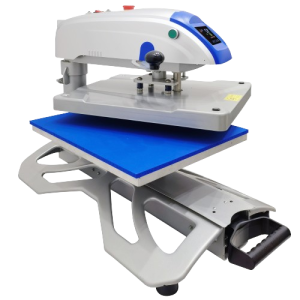
At the heart of solventless production is the rosin press, a machine designed to apply controlled heat and pressure to cannabis material. Unlike extraction methods that depend on solvents, mechanical pressing can separate naturally occurring oils from plant material through physical force.
Resin, meanwhile, can refer to the naturally sticky substance produced by cannabis trichomes or to concentrates made through specific extraction processes. Live resin is particularly well known for its emphasis on preserving aromatic compounds from freshly harvested cannabis.
So, which one is actually different? The answer starts with production. Rosin relies on heat and pressure, while many resin concentrates use extraction solvents. From there, differences can emerge in texture, aroma, processing requirements, and consumer preferences.
Whether you are researching a rosin press, comparing concentrate types, or simply trying to understand cannabis terminology, knowing how these products are made provides a much clearer picture of what distinguishes them.
What Is Rosin?
Rosin is a cannabis concentrate produced without traditional chemical extraction solvents. Instead, mechanical force, heat, and carefully prepared cannabis material are used to encourage cannabinoids and terpenes to separate from the plant.
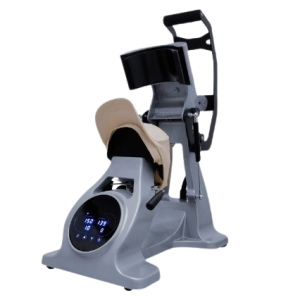
A rosin press is the central piece of equipment used in this process. It typically features heated plates that compress cannabis flower, hash, or another suitable starting material. Under controlled conditions, pressure encourages the plant’s oils to flow outward, where they can be collected.
One of the defining characteristics of rosin is its solventless nature. Because the extraction relies on physical pressure and heat rather than a chemical solvent, the production process can be relatively direct. However, producing consistently high-quality rosin requires more than simply placing cannabis into a rosin press and applying maximum force.

The quality of the starting material matters enormously. Genetics, cultivation practices, harvest timing, moisture content, storage, and preparation can all influence the final concentrate. Pressing conditions also play an important role. Temperature and pressure need to be balanced because excessive heat can affect delicate aromatic compounds, while excessive pressure may introduce unwanted plant material.
Rosin can have many different appearances and textures. Depending on the material and processing conditions, it may be sticky, creamy, oily, crumbly, or relatively firm.
For enthusiasts interested in solventless concentrates, the rosin press provides an intriguing way to explore how heat and mechanical pressure can transform cannabis material into a concentrated product.
What Is Resin?
The word “resin” can be confusing because it has more than one meaning in the cannabis world. Naturally, cannabis plants produce resin through structures called trichomes. These tiny structures contain many of the compounds responsible for the plant’s cannabinoids, terpenes, aroma, and sticky appearance.
When people discuss cannabis concentrates, however, they may also use the term resin to describe extracted products. One prominent example is live resin, which is generally made from cannabis that is frozen soon after harvesting. The goal is to preserve volatile compounds that can be affected by traditional drying and curing.

Unlike rosin, live resin is commonly produced using hydrocarbon solvents. This creates an important distinction between the two categories. Rosin depends on mechanical extraction, whereas live resin generally relies on solvent-based extraction.
A rosin press therefore has no direct role in conventional live resin extraction. Instead, specialized extraction equipment and carefully controlled processing systems are typically required.
The differences can become particularly noticeable when comparing aromas and textures. Live resin is often associated with terpene-rich profiles and may have a saucy, oily, sugary, or crystalline consistency depending on the processing technique.
It is also important to avoid treating “resin” as a single standardized product category. Different manufacturers may use the term differently, and the characteristics of a concentrate can vary considerably.
For consumers researching a rosin press, understanding this terminology is essential. The word resin describes a much broader concept, while rosin specifically identifies a concentrate produced through a solventless mechanical extraction process.
Rosin vs Resin: The Core Difference
The easiest way to distinguish rosin from resin is to examine how each product is produced. Although both can contain concentrated cannabinoids and aromatic compounds, the extraction methods are fundamentally different.
Rosin is produced using heat and pressure. A rosin press applies controlled force to cannabis material while heated plates help mobilize its naturally occurring oils. The resulting concentrate is collected without relying on traditional chemical solvents.
Resin, on the other hand, can refer to the natural material found in cannabis or to extracted concentrates. When discussing live resin, the production process generally involves freshly harvested cannabis that has been frozen and subsequently extracted using solvents.
This distinction matters because extraction methods can influence the characteristics of the finished product. The starting material, processing temperature, pressure, solvent system, filtration, and post-processing can all affect the final result.

A rosin press also provides a different production experience from solvent-based extraction equipment. Mechanical pressing focuses on applying physical force to prepared cannabis material, whereas solvent extraction requires a controlled process for introducing, separating, and removing the extraction medium.
Neither product should be judged solely by its name or appearance. Two concentrates within the same category can have substantially different qualities depending on the raw material and manufacturing process.
For consumers, the most useful question is therefore not simply whether something is called rosin or resin. Instead, it is worth asking how it was extracted, what starting material was used, and how the finished concentrate was handled.
Once the role of a rosin press is understood, the terminology becomes much easier to navigate. Rosin represents a solventless approach, while resin encompasses a broader family of naturally occurring and extracted cannabis materials.
How a Rosin Press Works
A rosin press operates according to a straightforward physical principle: heat softens and mobilizes the oils contained within cannabis material, while pressure helps force those oils away from the compressed plant matter.
The basic design usually involves two heated plates. Prepared material is positioned between them, and the plates apply pressure while maintaining a selected temperature. As the material is compressed, oils can emerge and collect outside the pressed material.
Although the concept sounds simple, the variables involved can significantly influence the result. Temperature, pressure, pressing duration, material quality, moisture, and preparation all contribute to the characteristics of the finished rosin.
More pressure is not automatically better. Excessive force can cause unwanted plant particles to pass through the filter material, potentially affecting the appearance and quality of the concentrate. Similarly, excessive heat can alter delicate aromatic compounds.
This is why modern rosin press equipment often emphasizes control and consistency rather than raw force alone. Precise temperature settings and controlled pressure can make the process more repeatable.
Different starting materials can also behave differently. Flower and hash may require different approaches because their physical structures and concentrations of resinous compounds are not identical.
The simplicity of mechanical extraction is part of the appeal of a rosin press. Instead of depending on a chemical solvent system, the process uses controlled physical conditions to encourage the desired compounds to separate.
For anyone learning about solventless extraction, understanding how a rosin press combines heat and pressure provides a useful foundation for understanding why rosin differs from resin and other concentrate categories.
Why Solventless Rosin Has Become Popular
Interest in solventless concentrates has grown alongside broader consumer curiosity about how cannabis products are produced. Rosin occupies a distinctive position because its extraction process relies on mechanical pressure and heat rather than traditional chemical solvents.
The rosin press is central to this approach. By applying controlled pressure and temperature, the equipment can separate resinous compounds from suitable cannabis material without introducing a conventional extraction solvent.
Another reason people are drawn to rosin is the direct relationship between the starting material and the finished concentrate. High-quality cannabis can provide a strong foundation for producing aromatic and flavorful rosin. This makes the selection and preparation of starting material particularly important.
Solventless extraction also has an appealing simplicity at the conceptual level. A rosin press essentially transforms prepared plant material through controlled physical conditions rather than requiring a complex solvent extraction chain.
However, “solventless” does not automatically mean that every rosin product is higher quality than every resin product. Quality depends on numerous factors, including genetics, cultivation, freshness, storage, processing, and testing.
Consumer expectations also vary. Some people may prioritize a solventless production method, while others may place greater emphasis on terpene expression, texture, potency, or the characteristics associated with live resin.
The continued interest in the rosin press reflects a broader fascination with transparent extraction methods and the relationship between processing and product characteristics.
Ultimately, rosin’s popularity comes from a combination of its solventless identity, distinctive textures and aromas, and the relatively direct relationship between the starting material and final concentrate.
Flavor and Terpene Profiles
Flavor and aroma are among the most discussed characteristics when comparing rosin and resin. Both concentrate types can contain significant quantities of terpenes, but their production methods can influence how those compounds are preserved and expressed.
With rosin, the rosin press plays a particularly important role because heat is part of the extraction process. Temperature management can influence the behavior and preservation of volatile compounds. Starting material quality is equally important because the extraction process cannot create terpene characteristics that were absent from the original plant.
Live resin takes a different approach. Cannabis intended for live resin production is generally frozen soon after harvesting. This approach is designed to preserve volatile compounds that can change during conventional drying and curing.
Consequently, enthusiasts may notice different aromatic characteristics between rosin and live resin. However, there is no universal flavor profile for either category. Cultivar genetics, growing conditions, harvesting practices, extraction parameters, storage, and post-processing can all influence the final experience.

A rosin press therefore represents only one part of the flavor equation. Even highly controlled pressing cannot compensate for poor starting material or unsuitable storage.
The same principle applies to resin. A carefully produced concentrate made from high-quality fresh material may have a very different aromatic profile from another resin product made from different genetics or processed under different conditions.
Rather than assuming that one category always tastes better, it is more useful to understand why their profiles can differ. The extraction process, freshness, temperature exposure, and terpene preservation all contribute to the final characteristics.
This makes the comparison between rosin and resin less about declaring a winner and more about understanding how production choices shape the finished concentrate.
Texture and Appearance
Rosin and resin can exhibit a wide range of colors and textures, making appearance an interesting but imperfect way to distinguish them.
Rosin may appear clear, translucent, golden, amber, or darker depending on the starting material and extraction conditions. Its consistency can range from sticky and oily to creamy, whipped, crumbly, or more solid.
A rosin press can influence the resulting consistency because pressure and temperature affect how the extracted material behaves. However, the starting material remains a major factor. Flower and hash can produce different results, and variations in moisture and resin content can affect both yield and texture.
Resin concentrates can be equally diverse. Live resin may appear as a viscous sauce, sugary concentrate, crystalline material, or another consistency depending on extraction and post-processing techniques.
Because of this variety, appearance alone cannot reliably identify a concentrate. A golden product is not necessarily rosin, and a darker concentrate is not necessarily resin.

The rosin press itself does not determine a universal color or texture. Instead, it provides the conditions under which the starting material releases its resinous compounds. The final appearance reflects a combination of genetics, freshness, extraction conditions, handling, and storage.
Consumers should therefore look beyond visual characteristics when comparing products. Product descriptions, laboratory testing, manufacturing information, and storage practices can provide more meaningful insight.
For enthusiasts exploring a rosin press, texture can nevertheless be an interesting way to observe how different starting materials and processing conditions affect the finished concentrate.
Ultimately, the visual distinction between rosin and resin is far less reliable than understanding the extraction method used to produce each product.
Rosin Press Technology and Modern Extraction
The development of the rosin press reflects the growing sophistication of solventless extraction technology. While the basic concept of applying heat and pressure is relatively straightforward, modern equipment can offer much greater control over the variables involved.
Temperature precision is particularly important because cannabis contains compounds with different sensitivities to heat. Consistent pressure is also useful because uneven force can produce inconsistent extraction results.

Modern presses may incorporate features designed to improve repeatability, workflow, and control. This evolution has helped move solventless extraction beyond rudimentary pressing methods toward more specialized equipment.
The rosin press has also become increasingly associated with experimentation. Different starting materials can behave differently under heat and pressure, giving producers opportunities to investigate how processing variables influence texture, aroma, color, and yield.
For commercial operations, consistency can be particularly important. Reproducible processing conditions allow manufacturers to work toward more consistent products, subject to applicable regulations and quality-control requirements.
At the same time, solventless extraction remains attractive because its fundamental principle is easy to understand. Rather than relying on a solvent to dissolve and separate compounds, a rosin press uses controlled mechanical force and heat.
This does not mean that solventless extraction is inherently simple in practice. Producing consistent, high-quality results can require careful material preparation and process control.
As interest in concentrate quality continues to evolve, the rosin press remains an important example of how traditional mechanical principles can be combined with modern engineering.
The technology’s continued development demonstrates that solventless extraction is not simply an alternative manufacturing method. It has become a significant area of innovation within the broader concentrate industry.
Rosin vs Live Resin
The distinction between rosin and live resin becomes particularly clear when the production processes are compared directly.
Rosin is made through mechanical extraction. A rosin press applies controlled heat and pressure to suitable cannabis material, encouraging its oils to separate from the plant without conventional chemical extraction solvents.
Live resin follows a different path. Freshly harvested cannabis is generally frozen soon after harvest and subsequently processed using a solvent-based extraction method. Freezing the material is intended to help preserve volatile compounds that can be affected during drying and curing.
This means that the two concentrates can begin with significantly different processing philosophies. Rosin emphasizes solventless mechanical extraction, while live resin emphasizes extraction from fresh-frozen cannabis.
Their physical characteristics can also differ. Rosin may develop a range of textures depending on the starting material and pressing conditions, while live resin is often associated with oily, saucy, sugary, or crystalline consistencies.
A rosin press is therefore one of the clearest identifiers of rosin production. If a concentrate was produced through mechanical heat and pressure without conventional extraction solvents, it fits the fundamental definition of rosin.
That does not mean the two products cannot share characteristics. Both can contain concentrated cannabinoids and aromatic compounds, and both can be produced from carefully selected cannabis genetics.

For consumers, the key is understanding the manufacturing process rather than relying solely on terminology. Asking whether a product is solventless, whether the cannabis was fresh-frozen, and how it was extracted can reveal much more than the product name alone.
The rosin press and live-resin extraction equipment represent two different technological approaches to concentrating cannabis compounds.
What Makes Starting Material Important?
Starting material is one of the most important variables in concentrate production. Regardless of extraction method, the characteristics of the original cannabis strongly influence the finished product.
This principle is particularly obvious with rosin. A rosin press can separate and concentrate compounds that are already present in the material, but it cannot manufacture desirable cannabinoids or terpenes that the plant never produced.
Genetics therefore play an important role. Different cultivars can naturally exhibit different cannabinoid and terpene profiles, which can influence the aroma and characteristics of the resulting concentrate.
Freshness and storage also matter. Exposure to heat, light, oxygen, or unsuitable environmental conditions can alter cannabis material before extraction even begins.

Moisture is another important consideration for solventless pressing. Material that is excessively dry or contains unsuitable moisture levels may behave differently under a rosin press, potentially affecting extraction performance and consistency.
Preparation can also influence results. The physical form and cleanliness of the starting material affect how it responds to pressure and heat.
This explains why two products made using similar equipment can have dramatically different characteristics. The rosin press provides the extraction mechanism, but the starting material supplies the compounds being extracted.
The same concept applies to resin. Fresh-frozen cannabis selected for live resin production is intended to preserve a particular snapshot of the plant’s aromatic profile.
For consumers, this means concentrate quality cannot be judged by extraction technology alone. Understanding the genetics, freshness, processing, storage, and testing behind a product can provide a much more complete picture.
Ultimately, the rosin press is an important part of the process, but it is only one piece of a much larger chain that determines the final characteristics of solventless rosin.
Choosing Between Rosin and Resin
Choosing between rosin and resin depends largely on which characteristics matter most to the consumer. There is no single answer that applies to everyone because the two concentrate categories offer different production methods and characteristics.
People specifically interested in solventless extraction may be drawn to rosin because it is produced mechanically. The rosin press is central to this approach, using heat and pressure instead of conventional chemical extraction solvents.
Others may be interested in live resin because of its fresh-frozen starting material and the emphasis placed on preserving volatile aromatic compounds.

Texture can also influence preferences. Rosin may range from sticky to creamy or crumbly, while live resin can display saucy, sugary, oily, or crystalline characteristics. These differences are influenced by processing rather than simply the name printed on the packaging.
When evaluating concentrates, consumers should also consider information beyond the extraction category. Laboratory testing can provide information about cannabinoid and terpene content, while product labeling can help identify the production method.
A rosin press may be particularly interesting to people who want to understand solventless production as a process. However, purchasing or using extraction equipment should always be approached with appropriate attention to applicable laws, manufacturer guidance, and safety considerations.
The most useful comparison is therefore based on personal priorities. Someone focused on solventless production may prefer to explore rosin, while someone interested in fresh-frozen extraction may want to learn more about live resin.
Understanding how a rosin press works makes it easier to appreciate why rosin has its own identity within the concentrate market.
Rather than treating rosin and resin as competing labels, it is more accurate to view them as products shaped by different extraction philosophies.
The Future of Solventless Extraction
The continued development of the rosin press reflects growing interest in solventless extraction and greater consumer awareness of how concentrates are manufactured.
Modern equipment is increasingly focused on precision. Consistent temperature, controlled pressure, improved plate designs, and more predictable operation can help producers achieve repeatable processing conditions.
This matters because solventless extraction is highly dependent on the interaction between the starting material and processing environment. Small changes can influence the amount of material released, the texture of the concentrate, and the preservation of aromatic compounds.
As technology develops, the rosin press may continue to become more precise and efficient. Manufacturers can refine controls and equipment designs while producers can continue exploring how different materials respond to mechanical extraction.
Consumer expectations are evolving at the same time. Instead of focusing exclusively on potency, many concentrate enthusiasts are interested in flavor, aroma, terpene composition, production methods, and the characteristics of the original plant.
This broader perspective could continue to support interest in solventless products.

However, the future of extraction will likely include multiple technologies rather than a single dominant method. Solvent-based extraction, solventless pressing, and other techniques each have different characteristics and applications.
The rosin press therefore represents one important part of a larger extraction landscape rather than a replacement for every other technology.
As research, equipment design, and manufacturing practices continue to advance, consumers will have more information with which to understand how their concentrates were produced.
For anyone interested in solventless extraction, following the development of rosin press technology offers an interesting window into how mechanical processing continues to evolve alongside the broader concentrate industry.
Final Thoughts
Rosin and resin may sound almost identical, but their differences become clear once their production methods are examined. Rosin is fundamentally associated with solventless mechanical extraction, while resin can describe the plant’s natural trichome material or a broader range of extracted concentrates.
A rosin press sits at the center of rosin production. By combining controlled heat and pressure, it provides a mechanical way of separating resinous compounds from suitable cannabis material.
Live resin takes a different approach, typically beginning with fresh-frozen cannabis and using solvent-based extraction to preserve and concentrate desirable compounds.
These different approaches can influence aroma, texture, color, cannabinoid and terpene profiles, and overall product characteristics. However, extraction method is only part of the equation. Starting material, genetics, freshness, storage, processing, and testing can all have a significant impact.
For consumers, understanding these distinctions makes concentrate terminology much less confusing. Rather than assuming that one category is automatically superior, it is more useful to understand what makes each product different and determine which characteristics align with individual preferences.
For those interested in solventless extraction, learning how a rosin press works is an excellent starting point. It illustrates how relatively simple principles of heat and pressure can be used to transform carefully selected cannabis material into a concentrated product.
Ultimately, the conversation surrounding rosin versus resin is not simply about two similar-sounding names. It is about extraction philosophy, technology, starting material, and the many decisions that shape the final concentrate.
Once those differences are understood, the world of cannabis concentrates becomes considerably easier to navigate.




Add comment