

Rosin extraction has become a popular method for producing high-quality concentrates, particularly in the cannabis industry. Unlike traditional methods that use solvents, rosin extraction relies on heat and pressure to extract the potent oils from plant material. One of the most critical factors that determine the quality and yield of rosin is the pressure applied during extraction. In this article, we will explore how pressure influences the rosin extraction process and help you find the sweet spot for using your rosin press to achieve the best results.
Understanding Rosin Extraction
Rosin extraction is a solventless method used to produce concentrated oils from plant material, typically cannabis flowers or hash. This method utilizes a combination of heat and pressure to extract the potent cannabinoids and terpenes locked inside the plant’s trichomes. Unlike traditional extraction techniques that require chemical solvents, rosin extraction relies on the mechanical process of applying pressure and heat to separate the resin from the plant matter. One of the most popular tools used in this process is the rosin press, a specialized machine designed to apply precise pressure and heat to the material, optimizing the extraction.

When using a rosin press, heat is essential to soften the plant material and make the trichomes more pliable, while pressure works to squeeze out the oils. This combination results in a clean, solvent-free concentrate that retains much of the plant’s original flavor profile and potency. The outcome is a high-quality rosin that contains cannabinoids and terpenes in their purest form.
The rosin extraction process begins by placing the plant material between heated plates on the rosin press. As pressure is applied, the resin is extracted, and the resulting oil is collected, leaving behind the residual plant matter. This method ensures that no harmful chemicals are used during extraction, making rosin a preferred choice for those seeking a pure, natural concentrate. By carefully adjusting both the heat and pressure settings on the rosin press, users can tailor the extraction process to achieve the best yield and quality for their needs.
The Importance of Pressure in Rosin Extraction
Pressure plays a critical role in the success of rosin extraction, as it directly impacts both the yield and quality of the final product. When using a rosin press, applying the right amount of pressure helps extract the essential oils from the plant material efficiently. However, too little pressure can result in a lower yield, as the oils won’t be fully extracted, while excessive pressure can lead to over-extraction, bringing in unwanted plant matter that can negatively affect the taste, texture, and purity of the rosin.
Finding the right pressure for a rosin press is key to achieving the best results. If too little pressure is applied, the oils won’t be squeezed out effectively, resulting in a smaller yield and less potent concentrate. On the other hand, applying too much pressure can cause the plant material to break apart too much, releasing undesirable elements like chlorophyll or plant waxes into the rosin, which can affect the flavor and overall quality.

The sweet spot lies in balancing the right amount of pressure with the temperature settings on the rosin press. Lower pressure is often used for high-quality material to preserve the flavor and aromatic compounds, while more pressure may be necessary for denser or lower-quality plant material to extract the maximum yield. By adjusting the pressure on your rosin press and monitoring the process, you can refine your technique to consistently produce high-quality rosin with optimal flavor, potency, and yield.
How to Adjust Pressure on Your Rosin Press
When using a rosin press, adjusting the pressure correctly is essential to achieving the best rosin extraction. Each rosin press is different, but most models allow for precise control over the amount of pressure applied during the extraction process. Finding the ideal pressure setting for your material is a balance that requires some trial and error, as different plant materials respond differently to pressure.

For flower extractions, it’s generally recommended to start with moderate pressure and gradually increase it as needed. Many users find that a starting pressure range of around 600 to 1000 PSI (pounds per square inch) works well for most cannabis flowers. However, the pressure required will vary depending on the quality and moisture content of the material. Higher-quality, well-cured cannabis will often require less pressure since the oils will release more easily. In contrast, lower-quality or more resinous material may require increased pressure to extract the maximum yield.
When using your rosin press, it’s important to monitor the texture and consistency of the rosin during extraction. If the rosin appears too thin or watery, it may indicate that the pressure is too low. On the other hand, if the rosin is dark, over-processed, or contains excess plant matter, it could be a sign that the pressure is too high. By gradually adjusting the pressure on your rosin press and experimenting with different settings, you can find the optimal pressure for the material you’re using, ensuring the best possible results in terms of flavor, potency, and yield.
Pressure and Yield: The Balancing Act
The relationship between pressure and yield in rosin extraction is complex, as pressure significantly impacts both the quantity and quality of the final product. A rosin press works by applying pressure to plant material to extract cannabinoids and terpenes, but it’s essential to find the right balance. While higher pressure typically results in a larger yield, it can also negatively affect the overall quality of the rosin, leading to undesirable plant material being extracted alongside the oils.
When using a rosin press, the goal is to maximize the yield while maintaining the purity and flavor of the concentrate. If too much pressure is applied, it can cause over-extraction, leading to the inclusion of unwanted compounds such as chlorophyll and lipids, which can diminish the taste and texture of the rosin. On the other hand, applying too little pressure will result in a lower yield, as not enough oil is being extracted from the plant material.

The key to success is finding the optimal pressure that provides a good balance between quantity and quality. Many users recommend starting with moderate pressure and adjusting as needed based on the material being used. High-quality, well-cured cannabis often requires less pressure to achieve optimal results, while more resinous or lower-quality material might need a bit more pressure to maximize the yield. By experimenting with different pressure settings on your rosin press, you can fine-tune the process and consistently produce rosin that has both a great yield and excellent flavor.
The Sweet Spot: Finding the Right Pressure for Your Needs
Finding the sweet spot for pressure when using a rosin press is crucial to achieving the best results in rosin extraction. Since every batch of plant material is unique, the ideal pressure can vary based on factors such as moisture content, resin production, and quality. Experimenting with different pressure levels allows you to fine-tune the process and discover the optimal setting for your specific material.
When using a rosin press, a common starting point for flower extractions is to apply moderate pressure. This helps ensure that the oils are extracted without causing the plant material to break down too much. Over time, you can increase the pressure slightly to achieve higher yields, but it’s important to monitor the process carefully. Too much pressure can result in rosin that contains unwanted compounds, such as plant material or excess waxes, which can compromise the final product’s flavor and purity.

The key to success is understanding how pressure affects the extraction process. For high-quality cannabis, less pressure is typically required to achieve a flavorful and aromatic rosin. On the other hand, denser or lower-quality materials may need more pressure to extract the maximum yield. By continuously adjusting the pressure on your rosin press and evaluating the results, you can find the perfect balance that suits your preferences and maximizes both the yield and quality of your rosin.
With practice, you’ll develop a keen understanding of your material’s needs, allowing you to consistently create high-quality rosin that retains its potent aroma and flavor.
Pressure in Relation to Heat: A Synergistic Effect
In rosin extraction, pressure and heat work together to produce the highest quality rosin, and understanding their synergistic relationship is crucial for optimal results. When using a rosin press, both factors must be carefully controlled to ensure that the extraction process yields a potent, flavorful concentrate without compromising quality. While pressure helps to squeeze out the oils from the plant material, heat softens the trichomes, making it easier to release the essential oils. Together, these elements create the perfect environment for efficient extraction.
The temperature settings on a rosin press are just as important as the pressure, as the heat determines the consistency of the rosin and how effectively the oils are released. Typically, temperatures for flower extractions range from 160°F to 220°F (70°C to 105°C), but the ideal temperature may vary depending on the material being used. If the heat is too high, it can degrade delicate terpenes and cannabinoids, affecting both the flavor and potency of the rosin. Similarly, if the temperature is too low, the extraction may be inefficient, resulting in a lower yield.
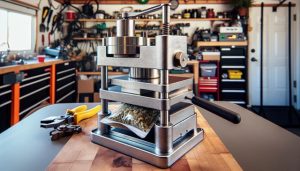
To achieve the best rosin, it’s essential to adjust both the heat and pressure on your rosin press. Lower pressure combined with moderate heat helps preserve the flavor and aroma, while higher pressure may be necessary for denser materials to extract more oil. By experimenting with these variables, you can find the ideal combination of heat and pressure that works best for your specific material, ensuring that you consistently produce high-quality rosin.
Conclusion
In conclusion, pressure is one of the most influential factors in the rosin extraction process. Finding the sweet spot is essential for achieving high-quality, flavorful rosin with optimal yield. By adjusting the pressure on your rosin press, you can experiment with different settings to determine the ideal balance for your material. Remember that pressure alone is not enough; it must be carefully balanced with heat to produce the best results. With patience, practice, and attention to detail, you can master the art of rosin extraction and produce concentrates that are as potent and flavorful as possible.



Add comment