

In the realm of cannabis extraction, the rosin press stands as a revolutionary tool that has transformed the landscape of concentrate production. From its inception to its modern-day applications, understanding the technology behind the rosin press is essential for both seasoned enthusiasts and newcomers alike.
At its core, a rosin press is a mechanical device designed to extract cannabinoids and terpenes from cannabis flower or hash through the application of heat and pressure. Unlike traditional extraction methods that rely on solvents such as butane or ethanol, the rosin press operates using a solventless approach, making it a safer and more environmentally friendly option for concentrate production.
The principle behind the rosin press is relatively straightforward yet highly effective. Cannabis material is placed between two heated plates, and pressure is applied to compress the material, causing the trichomes—the tiny resin glands on the surface of the plant—to rupture and release their valuable contents. The resulting substance, known as rosin, is a concentrated resin rich in cannabinoids and terpenes, free from any residual solvents or contaminants.
The technology behind the rosin press has evolved significantly since its inception, with modern presses boasting advanced features such as temperature control, pressure adjustment, and plate customization. These advancements allow users to fine-tune the extraction process to achieve optimal results, whether it be maximizing yield, preserving terpene profiles, or producing specific types of concentrates.
In summary, the rosin press represents a groundbreaking innovation in cannabis extraction technology, offering a safe, efficient, and versatile method for producing high-quality concentrates. By understanding the technology behind the rosin press, enthusiasts and producers alike can unlock the full potential of this revolutionary tool and elevate their cannabis experience to new heights.
Understanding Rosin Press Technology
At the forefront of solventless cannabis extraction stands the remarkable innovation known as the rosin press. A rosin press is a mechanical device designed to extract cannabinoids and terpenes from cannabis flower or hash without the use of solvents. This revolutionary technology relies on the application of heat and pressure to release the valuable compounds contained within the trichomes of the plant material.

The process of rosin pressing begins with the preparation of cannabis material, which is placed between two heated plates within the press. As pressure is applied, the plates exert force on the cannabis, causing the trichomes to rupture and release their resinous contents. The combination of heat and pressure activates the cannabinoids and terpenes, allowing them to flow freely and collect as a concentrated resin.
What sets the rosin press apart from other extraction methods is its solventless nature. Unlike processes that utilize solvents such as butane or ethanol, rosin pressing requires only heat and pressure, resulting in a cleaner and more environmentally friendly extraction process. This makes rosin press technology particularly appealing to those who prioritize purity and sustainability in their cannabis consumption.
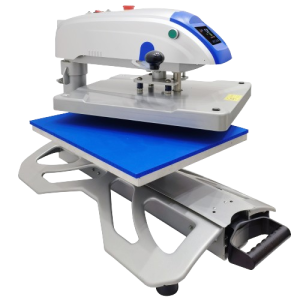
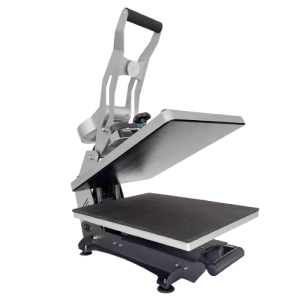
Rosin presses come in a variety of configurations to suit different needs and preferences. From manual and pneumatic models for personal use to hydraulic presses for commercial operations, there is a rosin press available for every application. Some presses offer additional features such as adjustable temperature control and pressure settings, allowing users to fine-tune their extraction process for optimal results.
Overall, the rosin press represents a significant advancement in cannabis extraction technology, offering a safe, efficient, and versatile method for producing high-quality concentrates. With its solventless approach and customizable capabilities, the rosin press is poised to continue shaping the future of cannabis extraction for years to come.
How Rosin Press Works
The process of rosin pressing is a fascinating fusion of science and technology, yielding solventless cannabis concentrates of exceptional quality. At its core, a rosin press employs a straightforward yet highly effective mechanism to extract cannabinoids and terpenes from cannabis material.
When the cannabis flower or hash is placed between the heated plates of a rosin press, the magic begins. These plates, typically made of durable materials such as aluminum or stainless steel, are precisely heated to a specific temperature range conducive to vaporizing the target compounds within the plant material. The heat initiates a crucial process wherein the trichomes, tiny resin glands on the surface of the cannabis buds, undergo a transformative reaction.
As pressure is applied to the plates, either manually or through hydraulic or pneumatic mechanisms, the trichomes are subjected to intense pressure. This pressure causes the trichome heads to rupture, releasing a viscous resin rich in cannabinoids, terpenes, and other valuable compounds. The resin, now in its concentrated form, is then collected and can be further processed into various textures, including shatter, wax, or oil.
The beauty of rosin pressing lies in its simplicity and purity. Unlike traditional extraction methods that rely on solvents such as butane or ethanol, rosin pressing requires only heat and pressure, resulting in a completely solventless concentrate. This solventless nature not only ensures the purity of the final product but also eliminates the need for potentially harmful chemicals, making rosin press concentrates a safer and more desirable option for cannabis enthusiasts.
With its ability to produce high-quality concentrates quickly and efficiently, the rosin press has revolutionized the landscape of cannabis extraction. Whether used for personal enjoyment or commercial production, the rosin press continues to be a cornerstone of the cannabis industry, offering a safe, efficient, and environmentally friendly method for extracting the essence of the plant.
Types of Rosin Presses
In the expansive landscape of cannabis extraction equipment, various types of rosin presses have emerged to cater to different needs and preferences within the community. Each type of rosin press boasts unique features and functionalities, making it essential to understand the differences before making a selection
Hydraulic rosin presses stand out as one of the most prominent options in the market. These presses leverage hydraulic pressure to exert force on the heated plates, resulting in high-pressure extraction. Hydraulic rosin presses are favored by commercial operations due to their ability to handle large volumes of material efficiently. With precise pressure control and robust construction, hydraulic presses are capable of delivering consistent results batch after batch.
On the other end of the spectrum are manual and pneumatic rosin presses, which cater to smaller-scale operations and personal use. Manual rosin presses rely on hand-operated mechanisms to apply pressure to the plates, offering simplicity and affordability. While manual presses may require more physical effort, they are suitable for enthusiasts who value hands-on control over their extraction process.
Pneumatic rosin presses, powered by compressed air, offer a middle ground between manual and hydraulic presses. These presses are known for their ease of operation and consistent pressure application, making them a popular choice among hobbyists and small-scale producers. Pneumatic rosin presses combine convenience with reliability, allowing users to achieve professional-grade results with minimal effort.
When choosing a rosin press, it’s essential to consider factors such as plate size, pressure capacity, and temperature control. Larger plate sizes accommodate larger quantities of material, while adjustable pressure settings provide flexibility in the extraction process. Temperature control is crucial for preserving the delicate terpene profiles of cannabis strains, ensuring that the final product retains its flavor and potency.
Ultimately, the type of rosin press you choose will depend on your specific needs, budget, and production goals. Whether you’re a commercial operator seeking maximum efficiency or a home enthusiast looking to experiment with small batches, there’s a rosin press out there to suit your needs. With the right equipment and know-how, you can unlock the full potential of your cannabis extracts and elevate your consumption experience to new heights.
Choosing the Right Rosin Press
Selecting the appropriate rosin press is a crucial step in the journey of cannabis extraction. With a multitude of options available on the market, it’s essential to consider various factors to ensure you find the rosin press that best suits your needs and preferences.
One of the primary considerations when choosing a rosin press is plate size. The size of the plates determines the amount of material you can process in a single press, so it’s essential to select plates that align with your production goals. Larger plates are ideal for processing larger quantities of cannabis material, making them suitable for commercial operations or individuals who require high volumes of concentrates. Conversely, smaller plates may be sufficient for personal use or small-scale production.
Pressure capacity is another critical factor to consider when selecting a rosin press. The pressure exerted by the press plays a significant role in the efficiency and quality of the extraction process. Hydraulic rosin presses are known for their high pressure capabilities, making them suitable for commercial applications where precision and consistency are paramount. Manual and pneumatic rosin presses, while less powerful, offer greater portability and ease of use, making them ideal for home growers or enthusiasts.
Temperature control is also an essential feature to consider when choosing a rosin press. Different cannabinoids and terpenes vaporize at varying temperatures, affecting the flavor, aroma, and potency of the final product. A rosin press with precise temperature control allows users to customize their extraction process, ensuring optimal results with each press.
In summary, selecting the right rosin press requires careful consideration of plate size, pressure capacity, and temperature control. By choosing a press that aligns with your production goals and preferences, you can ensure a smooth and efficient extraction process, yielding high-quality concentrates that showcase the full potential of your cannabis material.
Benefits of Using a Rosin Press
Using a rosin press offers a plethora of benefits that make it a preferred method of cannabis extraction. One of the primary advantages of utilizing a rosin press is its ability to produce high-quality concentrates without the need for harsh solvents. Unlike solvent-based extraction methods, which can leave behind harmful residues and alter the flavor profile of the final product, rosin pressing preserves the natural terpene profile of the cannabis plant. This results in concentrates that boast rich flavors and aromas that are true to the original strain, enhancing the overall sensory experience for consumers.
urthermore, rosin pressing allows for greater control over the extraction process compared to other methods. With a rosin press, users can adjust variables such as temperature, pressure, and pressing time to customize their concentrates to meet their specific preferences. This level of control enables users to fine-tune their extraction techniques and experiment with different strains to achieve desired results consistently.

Another benefit of using a rosin press is its efficiency and ease of use. Unlike traditional extraction methods that require extensive equipment and specialized training, rosin pressing is relatively straightforward and can be performed with minimal setup. Whether you’re a home grower looking to maximize your yield or a commercial producer seeking to streamline your extraction process, a rosin press offers a convenient and cost-effective solution for producing high-quality concentrates.
Additionally, rosin pressing is a solventless extraction method, making it a safer and more environmentally friendly option compared to solvent-based techniques. By eliminating the need for harsh chemicals such as butane or ethanol, rosin pressing reduces the risk of contamination and minimizes the environmental impact associated with solvent use. This makes rosin pressing not only a healthier choice for consumers but also a more sustainable option for the cannabis industry as a whole.
In summary, the benefits of using a rosin press are clear. From preserving the natural terpene profile of cannabis to offering greater control over the extraction process, rosin pressing is a versatile and efficient method for producing high-quality concentrates. Whether you’re a novice extractor or a seasoned professional, incorporating a rosin press into your extraction toolkit can elevate your cannabis experience and set you apart in the competitive market.
Conclusion
In conclusion, the rosin press represents a significant advancement in cannabis extraction technology, offering a safe, efficient, and environmentally friendly method for producing high-quality concentrates. Whether you’re a home grower looking to maximize your yield or a commercial producer seeking to meet the demands of the market, a rosin press is a valuable tool that can elevate your cannabis experience to new heights. With its versatility, precision, and solventless extraction method, the rosin press is sure to remain a cornerstone of the cannabis industry for years to come.



Add comment