

The rosin press has become one of the most popular methods of cannabis extraction, known for its simplicity, efficiency, and solvent-free approach. Whether you are a seasoned extractor or just starting out, understanding the factors that affect rosin press yield is crucial for optimizing your extraction process. This article explores the key variables that can influence the yield from a rosin press and how you can adjust your techniques for better results.
What is a Rosin Press?
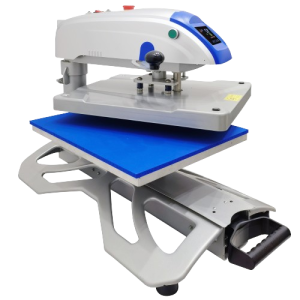
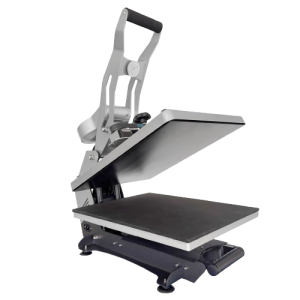
A rosin press is a popular extraction device used to produce solventless cannabis concentrates by applying heat and pressure to cannabis material, such as flower, hash, or kief. This method is widely favored for its simplicity, safety, and ability to preserve the full spectrum of cannabinoids and terpenes, making it an excellent choice for those looking for a clean and potent concentrate. Unlike other extraction methods that require chemicals or solvents, the rosin press uses only mechanical pressure and heat to extract the resin from the plant, resulting in a pure, high-quality concentrate known as rosin.

The process is straightforward but requires the right tools and technique to get optimal results. The cannabis material is placed between two heated plates, and pressure is applied to squeeze out the resin, which is collected as rosin. The key to maximizing yield and quality is adjusting variables like temperature, pressure, and extraction time, as these factors influence the amount of rosin produced and its overall quality.
A rosin press is an essential tool for both home extractors and commercial producers alike. It provides a user-friendly, solvent-free option for making concentrates, offering a safe and accessible way to enjoy cannabis in its purest form. Whether you’re looking to extract rosin for personal use or professional production, understanding the role of the rosin press and how to optimize its performance is crucial to achieving the best possible results from your extraction.
Key Factors That Affect Rosin Press Yield
The primary factors that influence rosin press yield include the material used, temperature, pressure, and extraction time. Each of these variables plays a crucial role in determining how much rosin you can extract and its quality.
The starting material is one of the most significant factors in determining your rosin press yield. Cannabis flowers with higher trichome content, such as premium strains, will generally produce better yields. Trichomes are the resin glands on cannabis plants that contain cannabinoids and terpenes, which are essential for rosin production. Low-quality or underdeveloped material will yield less rosin and may contain more plant matter, affecting the final product’s purity.

Temperature also plays a vital role in the rosin extraction process. If the temperature is too high, it can cause the terpenes and cannabinoids to degrade, resulting in a lower yield with compromised flavor and potency. Conversely, a temperature that is too low may not extract enough resin from the plant material, leading to a lower yield overall. Finding the right temperature range for your material is key to maximizing both the quality and quantity of the rosin produced.
Pressure is another critical factor in rosin press yield. Too little pressure will prevent the plant material from releasing enough resin, while too much pressure can cause the plant material to break down and contaminate the rosin with unwanted plant matter. It’s important to experiment with different pressure settings to find the balance that works best for your specific material and desired yield.
Lastly, the extraction time affects how much rosin can be collected. While a longer extraction time may allow for a higher yield, it can also cause the rosin to become darker and more viscous, which might not be desirable for certain uses. On the other hand, an extraction that is too short may result in a lower yield and reduced quality. Monitoring the extraction time and adjusting it based on the material used will help optimize your results.
Optimizing Your Rosin Press Yield
Maximizing the yield from a rosin press requires attention to several key factors that influence the extraction process. Fine-tuning elements such as material quality, temperature, pressure, and extraction time can lead to better results in both quantity and quality of rosin. By adjusting these variables, you can ensure that you’re getting the most out of each extraction.
The quality of the starting material is arguably the most important factor in optimizing your rosin press yield. Cannabis flowers with high trichome content, such as premium strains, will produce higher-quality rosin and better yields. Freshly cured or frozen flowers often perform better in rosin extraction, as they contain more resin and are less likely to contain excess moisture, which can interfere with the process. Using high-quality kief or hash will also enhance your yield.
Temperature control is critical for optimizing yield. If the rosin press is set too high, you risk losing valuable terpenes and cannabinoids, reducing both the quality and the quantity of the rosin. Conversely, a lower temperature may result in a smaller yield, as not enough resin is released from the material. A good starting point is between 180°F and 220°F (82°C-104°C), and you can adjust the temperature slightly to fine-tune the process.

Pressure is another factor that must be monitored carefully. Too little pressure will prevent enough resin from being extracted, while excessive pressure can cause plant matter to contaminate the rosin. By finding the right balance of pressure, you can significantly improve your rosin press yield and produce a cleaner, higher-quality concentrate.
Understanding Rosin Press Yield and Its Quality
When working with a rosin press, it’s important to remember that yield isn’t the only measure of success. While a higher yield may be desirable, the quality of the rosin is just as crucial. In fact, sometimes a lower yield can result in a more potent and pure concentrate, especially if the extraction process is well-controlled. Understanding the relationship between yield and quality is key to mastering the rosin press.
Quality rosin should have a smooth, golden to amber color with a rich, aromatic scent that reflects the strain’s terpenes. The texture should be clean and stable, with no excess plant material or contaminants. If the rosin appears dark, runny, or sticky, it may indicate that the extraction was too hot, or the material was of lower quality. Excessive heat can degrade the cannabinoids and terpenes, leading to a darker, less flavorful product.

The yield you achieve with a rosin press is closely tied to the extraction parameters, including temperature and pressure. Striking the right balance between these elements ensures you’re extracting the maximum amount of resin without sacrificing quality. For example, a longer extraction time at a lower temperature may result in a smaller but higher-quality yield, while higher temperatures may increase yield but decrease the purity of the rosin.
In conclusion, while maximizing rosin press yield is important, focusing on both the quantity and quality of the extract will help you achieve the best results. Proper technique and attention to detail will ensure that you get both a high yield and a high-quality concentrate that retains the full spectrum of cannabinoids and terpenes.
Conclusion
Understanding the factors that affect rosin press yield is essential for anyone looking to optimize their cannabis extraction process. By paying attention to the material used, temperature, pressure, and extraction time, you can fine-tune your technique to achieve higher yields and better-quality rosin. Whether you are a hobbyist or a professional extractor, mastering these variables will ensure that you get the best possible results from your rosin press, resulting in potent, flavorful, and pure concentrates. Experimentation and patience are key, but with the right knowledge and equipment, achieving excellent rosin press yields is within reach.



Add comment